


Light Needs

Mature Height

Mature Spread

Growing Zones
The Violet Satin® Rose of Sharon features masses of large blooms with blousy, soft purple petals. The showy, tropical appearance is unexpected for such a highly drought- and cold-tolerant shrub. This shrub also tolerates dry conditions, and it blooms in heat and is very forgiving in salty and windy locations near the ocean. This deciduous member of the hibiscus family blooms for weeks in mid to late summer. Its deep green foliage adds the perfect backdrop for summer-blooming perennials.
Hibiscus syriacus ‘Violet Satin’ is highly attractive to local beneficial pollinators and hummingbirds. On the other hand, deer are rarely known to browse on the foliage or flower buds when more desirable plants are available. Plant this shrub in the back of a pollinator garden bed or as a mid-layer for a traditional cottage garden. Violet Satin® is a sterile cultivar that does not set seed like other varieties. The shrub is self-cleaning and any spent flowers can be pruned back in late winter before the new season’s growth begins.
Violet Satin® Rose of Sharon Care
Rose of Sharon requires full sun exposure for a minimum of 6 hours a day. Shade late in the day is preferred if you garden in a southern climate. Violet Satin grows well in average soil with a neutral pH. Fertilize with a slow-release formula for flowering shrubs early in the spring as the new foliage emerges. Water deeply and infrequently for the first season or two to establish a deep root system. Supplemental watering with drip irrigation or soaker hoses is preferred to overhead watering to keep the foliage dry.
Prune Violet Satin® Rose of Sharon early in the spring to control its overall size and shape. The flowers bloom on new wood, and over time, the shrub may only flower at the very ends of the branches. To counteract this, cut back the shrub hard every 3-4 years or as needed. Pruning out one-third of the branches every year will maintain the height of the plant while encouraging fresh new growth at the base. Deadheading is not required.
Violet Satin® Rose of Sharon Spacing
Violet Satin will reach 12 feet high with a moderate spread of 8 feet. The large size makes it a great addition to any mixed informal hedge. Space plants 7 feet from each center when planting in groups. The wide spacing allows each root system to access sufficient nutrients and moisture. Good air circulation around each plant also lowers the risk of pests and diseases
Violet Satin® Rose of Sharon Plant Facts
Growing Conditions
- Hardiness ZonesGrowing Zones
- USDA Zones 5 to 8 (perennial); grown as an annual elsewhere (outdoors year-round); grown indoors elsewhere (outdoors year-round); grown in containers elsewhere (grown as a seasonal crop)
- Sun Exposure
- Full Sun (6+ Hours Direct Sun)
- Mature Height
- 8-12 Feet
- Mature Spread
- 6-10+ Feet
- Growth Habit
- , Upright
- Water Needs
- Average
Flowers & Foliage
- Flower Colors
- , Purple, Red
- Flower Description
- Red-Violet
- Bloom Time
- Summer to Fall
- Blooms On
-
New Wood
?
"Blooms on" tells you which stems produce flowers, which decides when it's safe to prune.
- New Wood: Flowers form on stems that grow this season. Prune in late winter or early spring without losing blooms.
- Old Wood: Flower buds form on last year's stems. Prune right after flowering. Pruning in fall or early spring removes next year's blooms.
- Both New and Old Wood: Blooms on last year's stems and again on new growth, so it flowers even after a hard winter or a mistimed pruning. Prune lightly after the first flush of blooms.
- When to Prune
- Late winter to early spring, before new growth starts
- Foliage Color
- , Green
- Foliage Description
- Green
- Foliage Type
- , Deciduous
- Seasonal Interest
- , Summer Flowering
Garden Benefits
Plant Overview
- Common Name
- Violet Satin® Rose of Sharon
- Also Known As
- Violet Satin Rose of Sharon
- Botanical Name
- Hibiscus syriacus Violet Satin
- Plant Type
- Shrub
Simple Plant Spacing Calculator

Please Note: The pictures below are to give a general representation of the different container sizes. The actual size/ages of plants are estimates and will vary based on type of plant, time of year, last pruning & many other factors.
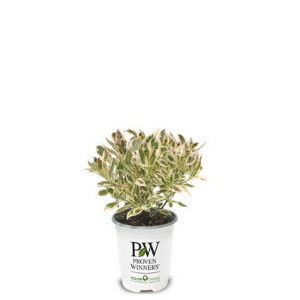
Also Known As:
Quart
Plant Age:
~ 6 months - 1 year
Plant Size:
~ 4"-8"
Pot Size:
~ 4.75"H x 4.5"W
Volume:
1.50 quarts
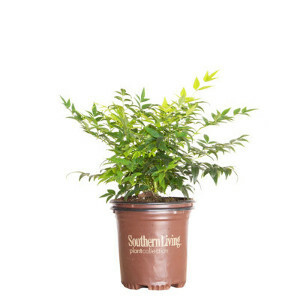
Also Known As:
2.5 Quart Pot
Plant Age:
~ 1 - 2 years old
Plant Size:
~ 8"-12"
Pot Size:
~ 6.5"H x 6.5"W
Volume:
2.20-2.30 quarts
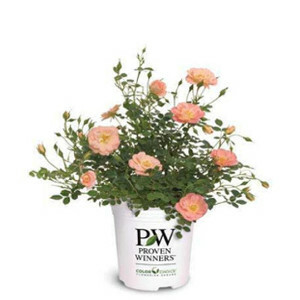
Also Known As:
#1 Container
1 Gallon
Plant Age:
~ 1 - 2 years old
Plant Size:
~ 10"-14"
Pot Size:
~ 7"H x 7.75"W
Volume:
2.26-3.73 quarts
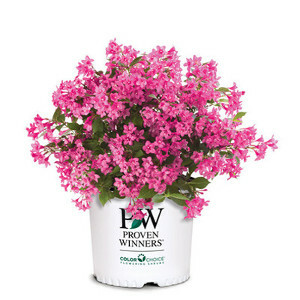
Also Known As:
#2 Container
2 Gallon
Plant Age:
~ 1.5 - 3 years old
Plant Size:
~ 12"-18"
Pot Size:
~ 9.5"H x 9.5"W
Volume:
1.19-1.76 gallons
Also Known As:
#3 Container
3 Gallon
Plant Age:
~ 2 - 4 years old
Plant Size:
~ 12"-30"
Pot Size:
~9.5"H x 11"W
Volume:
2.32-2.76 gallons

Also Known As:
#5 Container
5 Gallon
Plant Age:
~3-4 years old
Plant Size:
~ 20" - 60"
Pot Size:
~11" H x 10 1/2” W
Volume:
3.5 - 4 gallons

We stand behind our plants with industry-leading guarantees to give you peace of mind.
We want your plants to arrive in great condition! If you notice any issues upon delivery, contact us within 3 days.
Starting January 1, 2026 all bushes, perennials & trees purchased come with an extended 1-year warranty for added confidence. If your plant dies due to a health issue within a year, we’ll make it right.
Plants that are currently in stock typically ship within 2-7 business days after your order is placed.
Plant Addicts ships to the lower 48 states within the U.S. Unfortunately, we do not currently ship to Alaska, Hawaii, or internationally.
This plant cannot be shipped to the following states: AK, HI. These restrictions apply only to this specific plant due to agricultural regulations or other limitations. Other plants may still be available for shipping to these states.
If you have any questions about shipping restrictions, feel free to reach out to our team!