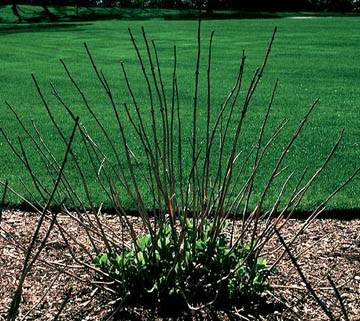
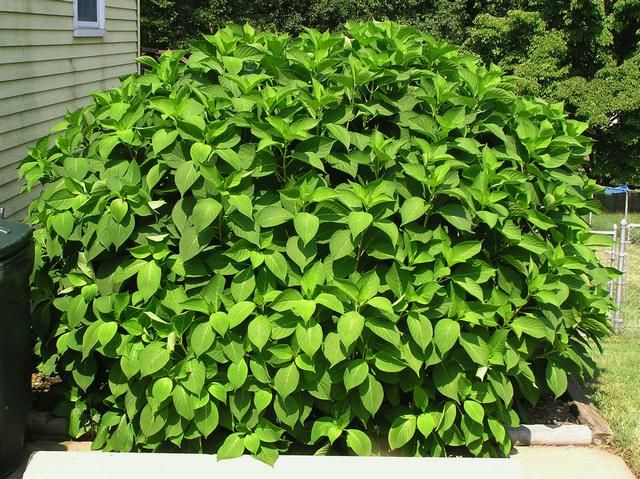
Few things are more frustrating than a healthy-looking hydrangea covered in green leaves but no flowers. The good news is that most hydrangea blooming problems come down to a few common causes: pruning at the wrong time, winter or spring frost damage, not enough sunlight, too much nitrogen, or growing the wrong type of hydrangea for your climate. At Plant Addicts, we have been growing and helping gardeners care for hydrangeas for over 40 years. If your hydrangea will not bloom, this guide will help you figure out what happened, what you can do now, and how to get more flowers next year. The quick answer: Most hydrangeas fail to bloom because the flower buds were removed or damaged before they had a chance to open. This is especially common with bigleaf hydrangeas, mophead hydrangeas, lacecap hydrangeas, mountain hydrangeas, and oakleaf hydrangeas that bloom on old wood. If you cut your hydrangea back in fall, winter, or spring, you may have removed the flower buds. A late spring freeze can damage flower buds even if the plant survives and grows leaves. Different hydrangeas bloom on old wood, new wood, or both. Pruning advice depends on the type. If yes, you may have accidentally removed the flower buds. This is the most common reason bigleaf, mophead, lacecap, mountain, and oakleaf hydrangeas do not bloom. These types often set flower buds on old stems. When those stems are cut down, the plant can still grow back beautifully, but the flowers may be gone for the season. A late spring freeze can damage flower buds even if the plant survives. This often happens after a warm spell causes the hydrangea to start growing, followed by freezing temperatures. If most of the new growth is coming from the ground instead of from the old stems, that is a sign the old stems may have been damaged. This matters more than almost anything else. Different hydrangeas bloom on different types of wood and need different pruning schedules. Some hydrangeas bloom on old wood. Some bloom on new wood. Some rebloom on both. This is the number one reason many hydrangeas do not flower. Bigleaf, mophead, lacecap, mountain, oakleaf, and climbing hydrangeas often form flower buds before winter. Those buds sit on the old stems and open the following season. If you cut the stems down in fall, winter, or early spring, you may remove the flower buds before they bloom. The plant may still look healthy. It may grow into a full, leafy shrub. But if the flower buds were removed, it will not have much to bloom with. What to do: Do not cut old-wood hydrangeas to the ground. Wait until the plant fully leafs out in spring, then remove only clearly dead stems. If you need to shape the plant, prune shortly after it finishes blooming. A hydrangea can survive cold weather and still lose its flowers. This happens when a warm spell wakes the plant up early, then freezing weather returns. The leaves may recover, but the flower buds on old stems may be damaged. What to do: In colder climates, protect old-wood hydrangeas from winter wind and late spring freezes. During a late frost warning, cover the plant with breathable fabric, frost cloth, or an old sheet. Remove the cover once temperatures rise. Some hydrangeas are more reliable bloomers in cold climates than others. Bigleaf hydrangeas are beautiful, but they can be frustrating in areas with harsh winters or late spring freezes. If the stems die back every winter, the plant may keep regrowing from the base without blooming well. What to do: Choose hydrangeas that match your growing zone. In colder climates, panicle hydrangeas and smooth hydrangeas are often more dependable because they bloom on new wood. Reblooming bigleaf and mountain hydrangeas (e.g., Let's Dance, Endless Summer, and Tuff Stuff Series) can also be good options because they have a better chance of flowering even if some old buds are damaged. Hydrangeas can tolerate some shade, but most still need enough light to bloom well. A hydrangea planted in deep shade may grow large green leaves with very few flowers. This is especially common near large trees, on the north side of a house, or in areas that have become shadier over time as nearby plants matured. What to do: Most hydrangeas bloom best with morning sun and afternoon shade. If your hydrangea gets little to no direct light, consider carefully moving it to a brighter spot or pruning nearby plants to allow more morning sun. If your hydrangea is huge, leafy, and dark green but has no blooms, fertilizer may be part of the problem. This is especially common when hydrangeas are planted near lawns. Lawn fertilizers are often high in nitrogen, which encourages leafy growth. Too much nitrogen can lead to a beautiful green shrub with fewer flowers. What to do: Avoid applying lawn fertilizer near hydrangeas. Use a slow-release fertilizer made for flowering shrubs, and do not overdo it. More fertilizer does not always mean more flowers. Newly planted hydrangeas may need time to settle in before blooming heavily. A young hydrangea may bloom lightly the first year or skip blooming while it focuses on root growth. A transplanted hydrangea can also take a season to recover, especially if it was moved during heat, drought, or active bloom. What to do: Keep the soil evenly moist, mulch around the root zone, and give the plant time. Avoid heavy pruning while the plant is getting established. Sometimes the problem is not pruning or weather. It is wildlife. Deer often browse hydrangea stems in winter or early spring. If they eat the tips of the stems, they may be eating the flower buds too. The plant can leaf out later, but the blooms may be gone. What to do: Use deer repellent, fencing, or winter protection if browsing is common in your yard. Pay close attention to old-wood hydrangeas, because the flower buds are often on the upper portions of the stems. Usually, no. If your hydrangea has leaves but no flowers, cutting it back will not fix the problem this season. In fact, if it is an old-wood hydrangea, cutting it back may remove next year’s flower buds too. Instead, wait and observe. Let the plant grow through the season. Remove only dead, broken, or damaged stems. Once you know what type of hydrangea you have, you can prune it at the correct time. Some hydrangea blooming problems are best explained with a real example. Years ago, we received the following email from a visitor who was kind enough to share her story. It perfectly explains why pruning timing matters so much, especially with older mophead hydrangeas. Dear Mrs. King, Even though you and I have never met nor corresponded, I wanted to express a heartfelt thank you for the plethora of information you provided me via your Hydrangea website. When I met the love of my life he had this enormous green plant next to his house. When I asked him what it was, he said, “It’s supposed to be a hydrangea, but it never blooms. Every year it grows larger and larger,” and, having lived in what is now our home for over 17 years, he added, “once in awhile it gets a few flowers.” I did not know much about hydrangeas at all, but one day I spotted one and realized something was very wrong with ours. It had beautiful blue flowers on it, and more than just a few. So, I spent some time last year researching and came across your website, which provided me all the knowledge I needed. I explained to my dear David that the problem with the Hydrangea was not that it was too old, but that he was cutting it down to the ground every year in November. He tried to explain to me that if he didn’t cut it, we would end up with ugly brown sticks next to the house all winter long. I shared your website with him and pleaded with him to let me try, just this year to not cut back the Hydrangea. He reluctantly agreed, and every day he would mention how ugly the brown sticks and messy dead leaves were looking. We weathered a terribly snowy winter and never covered the hydrangea. I was worried that the bad winter might mean that I might not see the flowers as I had hoped. March came, and some new green growth started blooming at the base of the plant. “See,” David would say, “I told you the sticks were dead. Now can I cut them down? They look horrible!” I stood my ground and resoundingly said, “No, wait until May.” In April, new leaves started to pop out of the sides of the big ugly sticks. “Well, can I at least cut off the top of the sticks?” David would plead. I would just look at him and say, “Wait until May.” Then May came... At first, we saw little clusters of green, and with each passing day, they grew larger. David and I would check each day to see how many more blooms popped—first one, the next day ten, then 50, then we couldn’t count anymore. And well, it is a very large masterpiece—15 feet wide by 6 feet tall, we estimate well over 1,000 flowers. And we owe you all the thanks, because you took the time to make a website and share with the world that I am part of that you shouldn’t cut a Hydrangea anytime after July 31. Now, I am heading back to your website to read about the best way to cut them for a pretty vase on my desk at work. Take care, This is why patience matters. The “ugly sticks” in winter and early spring may be the exact stems holding next season’s flowers. If your current hydrangea rarely blooms, it may be time to plant a more dependable variety. For colder climates or gardeners who want easier flowering, look for: Plant Addicts carries one of the best selections of hydrangeas online, including bigleaf, panicle, smooth, oakleaf, mountain, reblooming, compact, and full-size varieties. The most common reason is that the flower buds were removed or damaged. This can happen from pruning at the wrong time, winter damage, late spring frost, deer browsing, or growing a hydrangea that is not well suited to your climate. In many cases, yes. If the plant is healthy and the stems are protected from pruning and cold damage, it may bloom next year. The key is knowing whether your hydrangea blooms on old wood or new wood. Usually, you cannot force a hydrangea to bloom if the buds are already gone. Focus on protecting the plant, improving sunlight, avoiding excess nitrogen, and pruning correctly so it can bloom next season. Bloom time depends on the type and your climate. Many bigleaf and oakleaf hydrangeas bloom in late spring to summer. Smooth and panicle hydrangeas often bloom from summer into fall. Yes, you can remove spent flowers, but avoid cutting far down the stem on old-wood hydrangeas. Snip just below the faded flower head unless you are sure the plant blooms on new wood. Coffee grounds are not a reliable fix for blooming problems. They may slightly improve soil quality over time, but they will not replace proper pruning, sunlight, feeding, winter protection, and plant selection. No. Flower color does not determine whether the plant will bloom. Blue, pink, purple, white, and green hydrangeas can all fail to bloom if the buds are removed or damaged. If your hydrangea is not blooming, do not assume the plant is bad. A leafy hydrangea with no flowers is usually telling you that the buds were pruned off, frozen, shaded out, overfed, or damaged before bloom time. The best thing you can do is identify your hydrangea type first. Once you know whether it blooms on old wood, new wood, or both, you can prune it correctly, protect it through winter, and choose the right location for better blooms year after year. Written by Judith King Judith King is a hydrangea enthusiast who has answered hundreds of hydrangea questions and writes hydrangea care articles for Plant Addicts. Plant Addicts has been helping gardeners grow and care for hydrangeas for over 40 years. Originally published October 17, 2017. Last updated May 11, 2026.Why Won’t My Hydrangeas Bloom?
Start Here: 3 Questions To Diagnose The Problem
1. Did you prune it?
2. Did it freeze?
3. What type is it?
Did you cut the hydrangea back in fall, winter, or spring?
Did the hydrangea leaf out early, then get hit by a freeze?
Do you know what type of hydrangea you have?
Hydrangea Blooming Cheat Sheet
Hydrangea Type
Blooms On
Best Pruning Time
Blooming Risk
Bigleaf / Mophead Hydrangea
Mostly old wood; some rebloomers bloom on old and new wood
Prune lightly after flowering only if needed
High risk from pruning and frost
Lacecap Hydrangea
Mostly old wood
Prune lightly after flowering only if needed
High risk from pruning and frost
Mountain Hydrangea
Old wood; some reblooming varieties
Prune lightly after flowering only if needed
Moderate to high risk
Oakleaf Hydrangea
Old wood
Prune after flowering only if needed
High risk if cut back
Panicle Hydrangea
New wood
Late winter or early spring
Low risk
Smooth Hydrangea
New wood
Late winter or early spring
Low risk
Climbing Hydrangea
Old wood
After flowering only to shape
Can take years to bloom
7 Reasons Hydrangeas Do Not Bloom
1. The Hydrangea Was Pruned At The Wrong Time
2. A Late Spring Freeze Damaged The Flower Buds
3. The Hydrangea Is The Wrong Type For Your Climate
4. The Hydrangea Is Getting Too Much Shade
5. Too Much Fertilizer Stimulates Leaves Instead Of Flowers
6. The Plant Is Too Young Or Recently Transplanted
7. Deer Or Rabbits Ate The Flower Buds
Should I Cut Back My Hydrangea If It Has No Blooms?
What To Do This Year If Your Hydrangea Did Not Bloom
The Big Hydrangea That Wouldn’t Bloom
Amy-Beth and David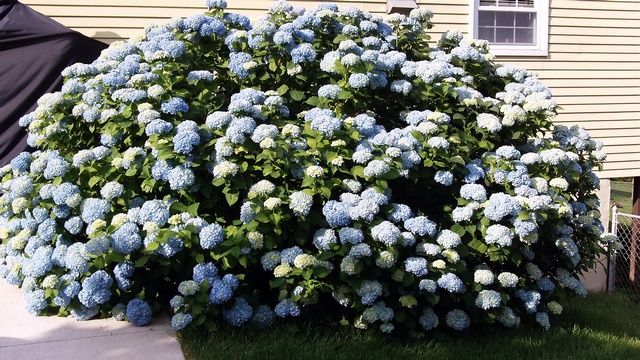
How To Get More Hydrangea Blooms Next Year
For Bigleaf, Mophead, Lacecap, Mountain, Oakleaf, and Climbing Hydrangeas
For Panicle and Smooth Hydrangeas
Best Hydrangeas For Reliable Blooms
Shop Hydrangeas For Sale
Frequently Asked Questions About Hydrangeas Not Blooming
Why does my hydrangea have leaves but no flowers?
Will my hydrangea bloom next year?
Can I make my hydrangea bloom this year?
What month do hydrangeas bloom?
Should I deadhead hydrangeas?
Are coffee grounds good for hydrangeas?
Does hydrangea flower color affect blooming?
Bottom Line
About The Author