
Finding a houseplant that is both pet safe and low-light tolerant can feel tricky. Many popular indoor plants, including pothos, snake plants, and philodendrons, are not considered pet safe. Fortunately, there are still plenty of beautiful foliage plants that can grow in lower-light rooms without putting curious cats or dogs at risk.
The best pet-safe low-light houseplants usually come from tropical forest environments, where plants naturally grow under tree canopies. Our favorites for low light include calatheas, peperomias, ferns, and polka dot plants. They still need some natural or artificial light, but they do not need hot direct sun to look good.
Jump to Pet-Safe Low-Light Houseplants
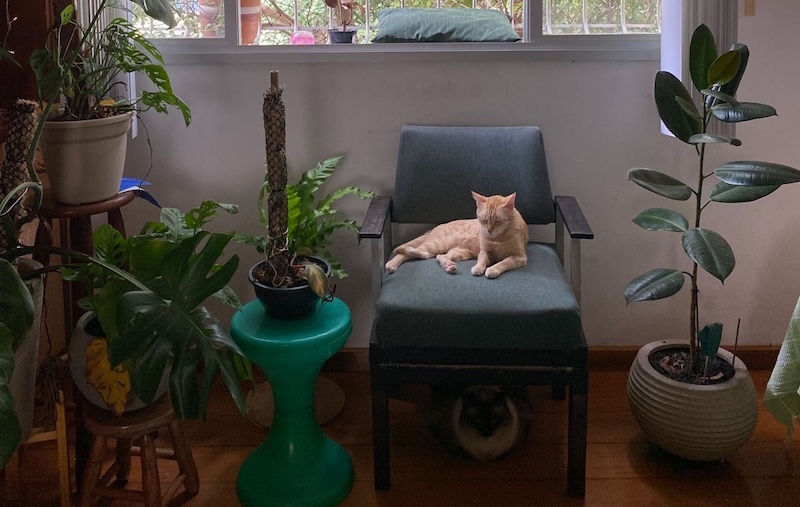
Best Pet-Safe Low-Light Houseplants at a Glance
Use this chart to find the right plant for your home. Low light does not mean no light. These plants do best near a window with filtered light, several feet back from a bright window, or under a grow light in darker rooms.
| Plant Category | Best For | Light | Care Level |
|---|---|---|---|
| Peperomia | Beginners, shelves, desks, and small spaces | Medium to bright indirect light; tolerates lower light | Easy |
| Calathea | Decorative foliage, striped leaves, patterned leaves, and pet-safe color in lower-light rooms | Low to bright indirect light | Moderate |
| Polka Dot Plants | Colorful tabletops, mixed containers, and small pet-safe displays | Medium indirect light to part shade | Easy to moderate |
| Chinese Money Plants | Pet-safe plant collectors, modern interiors, and small tabletops | Medium to bright indirect light; tolerates lower light | Easy |
| Pet-Safe Ferns | Bathrooms, kitchens, humid rooms, and soft-textured greenery | Low to medium indirect light | Moderate |
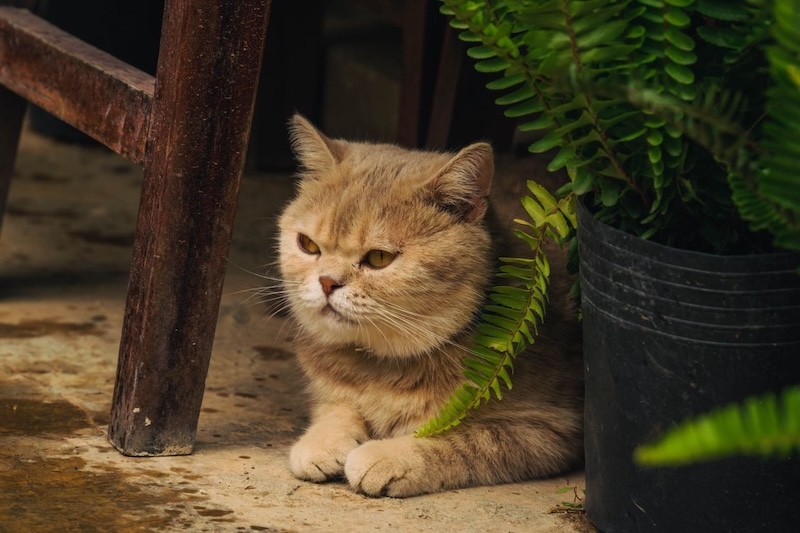
Best Overall Pet-Safe Low-Light Houseplants
If you want the safest starting point, choose peperomia, calathea, or polka dot plants. These plants offer colorful foliage, manageable sizes, and good tolerance for the indirect light found in many homes.
Plant Addicts Expert Tip: Pet safe does not mean snack-proof. Even non-toxic plants can cause mild stomach upset if a pet eats too much foliage. Place plants where cats and dogs are less likely to chew, dig, or knock over the pot.
1. Peperomia
Peperomia is one of the best pet-safe houseplant groups for beginners. These compact plants have thick leaves that hold moisture, so they are more forgiving if you occasionally forget to water. Hope Peperomia is a great option for a shelf, desk, plant stand, or small hanging container.
Peperomias grow best in medium to bright indirect light, but many types can tolerate lower-light rooms better than sun-loving houseplants. In low light, growth may slow down, but the plant can still stay attractive with proper watering.
Best Plant Addicts pick:
- Hope Peperomia – A pet-safe, compact trailing plant with round green leaves and an easy-care habit.
2. Calathea
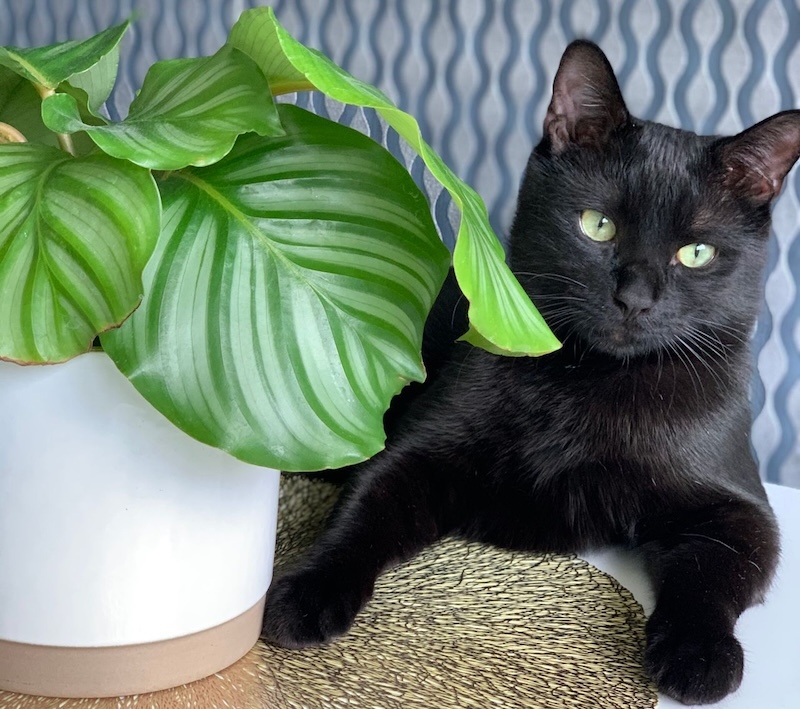
Calatheas, commonly known as prayer plants, are grown for their patterned leaves and are strong choices for pet owners who want showier low-light plants. These plants bring the same decorative feel as many tropical foliage plants, but without the pet-toxicity concerns of common choices like pothos or philodendron.
Calatheas prefer steady moisture, warm rooms, and higher humidity. They tolerate low to bright indirect light, making them useful for bedrooms, offices, and living rooms where direct sun is limited. Avoid direct sun, which can fade or scorch the foliage.
Best Plant Addicts picks:
- Vittata Calathea – A pet-safe foliage plant with elegant striped leaves for low to medium indirect light.
- Lemon Lime Prayer Plant – Bright green foliage with fresh chartreuse markings.
- Common Common Prayer Plant – A classic pet-safe houseplant with patterned leaves and compact growth.
3. Polka Dot Plant
Polka dot plants are a fun choice if you are looking for a pet-safe plant with more color than a typical green foliage plant. Their spotted leaves add pink, red, white, or rose tones to small pots, mixed containers, and tabletop displays.
Polka dot plants grow best in bright indirect light to part shade. In lower light, the color may soften and growth may become leggier, so prune as needed to keep the plant full. Avoid harsh direct sun, which can dull or damage the foliage.
Best Plant Addicts picks:
- Hippo® White Polka Dot Plant – A bright, speckled foliage plant for containers and indoor displays.
- Hippo® Red Polka Dot Plant – A colorful option for adding red-toned foliage to a pet-friendly plant collection.
More Pet-Safe Low-Light Houseplants We Carry
These plants are also good options for pet-friendly homes with lower light. Some need higher humidity or slightly brighter indirect light to look their best, so match the plant to the room before buying.
| Plant | Why We Like It | Best Placement |
|---|---|---|
| Chinese Money Plant | Round leaves and a clean, modern look. | Tabletop or shelf with medium indirect light. |
| Stromanthe Triostar | Pink, cream, and green variegated foliage with a tropical look. | Bright to medium indirect light with higher humidity. |
| Kangaroo Paw Fern | Textured green fronds and a softer look than many tropical plants. | Bathroom, kitchen, or humid room with indirect light. |
| Austral Gem Fern | Glossy fern foliage with a tidy habit. | Medium to low indirect light with steady moisture. |
| Baby's Tear Plant | Tiny leaves that create a soft, mossy mat. | Terrariums, small pots, or humid rooms. |
| Velutina Air Plant | No soil required, so pets are less likely to dig. | Mounted display, shelf, or glass container in indirect light. |
| Spider's Web Fatsia | Large, variegated leaves for a bold pet-friendly statement. | Bright to medium indirect light with room to grow. |
How to Care for Pet-Safe Low-Light Houseplants
Low-light houseplants usually grow more slowly than plants in brighter rooms. That means they need less water, less fertilizer, and more patience. The most common mistake is watering on a fixed schedule even when the potting mix is still wet.
| Care Factor | Best Practice |
|---|---|
| Light | Place plants in low to medium indirect light. Use a grow light if the room is very dark. |
| Water | Check the soil before watering. Peperomia and Chinese money plant can dry more between waterings; calathea, ferns, and baby’s tears prefer steadier moisture. |
| Humidity | Calatheas, stromanthe, ferns, and baby’s tears appreciate higher humidity. |
| Fertilizer | Feed lightly during active growth. Avoid leaving granular fertilizer where pets may dig or sniff. |
| Pet Placement | Use shelves, plant stands, hanging pots, or heavier cachepots to reduce chewing, digging, and tipping. |
Low-light reminder: A plant can tolerate low light and still prefer brighter indirect light. If a plant becomes leggy, loses color, drops leaves, or stops growing, move it closer to a window or add a small grow light.
Best Rooms for Pet-Safe Low-Light Plants
Pet-safe low-light plants are especially useful in rooms where direct sun is limited. Match the plant to the room’s humidity and traffic level.
- Bathrooms: Calathea, baby’s tears, and ferns appreciate extra humidity.
- Bedrooms: Peperomia, Chinese money plant, and calathea work well on dressers or shelves.
- Offices: Hope Peperomia and Chinese money plant are compact and easy to place.
- Living rooms: Stromanthe Triostar, Spider’s Web Fatsia, and ferns add a fuller statement.
- Small apartments: Air plants, peperomia, and polka dot plants fit easily on shelves and tabletops.
Shop Pet-Safe Houseplants
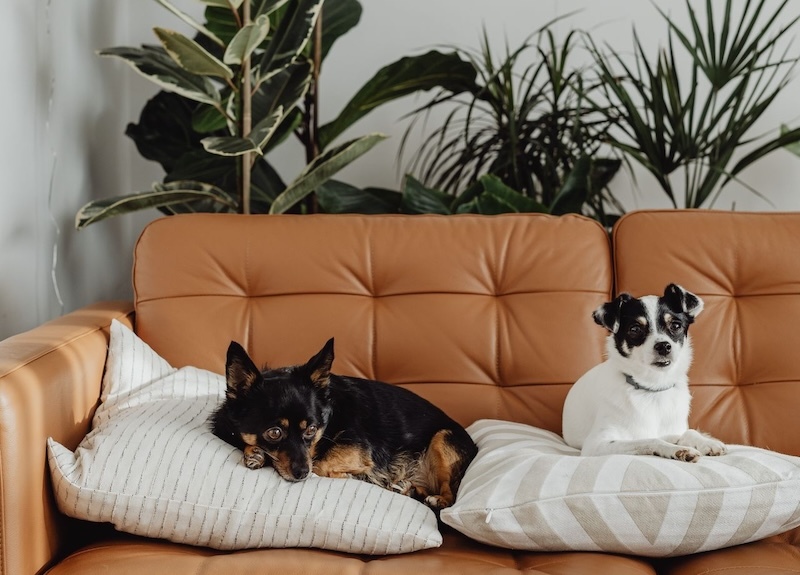
Plant Addicts carries pet-safe houseplants for cats, dogs, and busy homes, including peperomia, calathea, Chinese money plants, ferns, air plants, and other indoor plants that tolerate lower light.
Shop Pet-Safe HouseplantsPet-Safe Low-Light Houseplant FAQs
What are the best pet-safe low-light houseplants?
Some of the best pet-safe low-light houseplants include peperomia, calathea, polka dot plant, Chinese money plant, baby’s tears, and many true ferns. These plants tolerate indirect light and are better choices for homes with cats or dogs.
Are calatheas safe for cats and dogs?
Yes, calatheas are generally considered pet safe. They are popular choices for homes with cats and dogs because they offer bold foliage without the toxicity concerns of many other tropical houseplants.
Are calatheas good low-light plants?
Yes, calatheas are good choices for low to bright indirect light. They prefer lightly moist soil, warmth, and moderate to high humidity. Avoid direct sun, which can scorch or fade the foliage.
Can pet-safe plants still upset a pet’s stomach?
Yes. Pet-safe plants are not considered toxic, but eating too much foliage can still cause mild stomach upset. Keep plants out of reach if your pet likes to chew leaves or dig in soil.
Do low-light houseplants need a window?
Most low-light houseplants still need some natural or artificial light. A room with a nearby window, filtered light, or a grow light is better than a completely dark corner.
What pet-safe plant is easiest for beginners?
Hope Peperomia is one of the easiest pet-safe options for beginners. It stays compact, tolerates average indoor conditions, and does not need constant watering.
Bottom Line
The best pet-safe low-light houseplants combine attractive foliage with flexible indoor care. Peperomia is the easiest starting point, calathea offers the boldest leaf patterns, and polka dot plant adds cheerful color without needing direct sun.
Choose a plant that matches your room’s light, humidity, and your pet’s habits. Even pet-safe plants last longer when they are placed where cats and dogs cannot chew, dig, or tip them over.
About The Author

Written by Jessica Mercer
PhD, Senior Horticulturist
Jessica Mercer, PhD, is a Senior Horticulturist at Plant Addicts. Her science training shapes the way she researches plant care and gardening topics, allowing her to turn technical information into helpful, easy-to-follow guidance for gardeners.
Last updated by Plant Addicts on June 23rd, 2026.
Sources
- ASPCA Animal Poison Control: Toxic and Non-Toxic Plants database, including calathea, prayer plant, peperomia, polka dot plant, pilea, and fern listings.
- University of Minnesota Extension: Lighting for Indoor Plants and Starting Seeds.
- Penn State Extension: Caring for Houseplants.
- Penn State Extension: Humidity and Houseplants.
- Plant Addicts product information and customer support experience with pet-safe houseplants, low-light houseplants, indoor plant placement, and houseplant care.