Boxwoods are classic evergreen shrubs known for their dense foliage, year-round structure, and ability to be shaped into hedges, borders, foundation plantings, topiaries, and formal garden designs. Once established, boxwoods are relatively low maintenance, but they perform best with proper planting, watering, drainage, fertilizing, and pruning.
Plant Addicts carries one of the best selections of boxwoods online, with options for low hedges, formal borders, containers, topiary, foundation plantings, privacy, and cold-hardy landscapes. This guide will help you choose the right boxwood, plant it correctly, and keep it healthy for years.
The quick answer: Boxwoods grow best in well-drained soil with full sun to partial shade, consistent watering during establishment, 2-3 inches of mulch over the root zone, light spring fertilizing if needed, and pruning after spring growth hardens off. Avoid soggy soil, deep planting, heavy late-season pruning, and poor airflow.
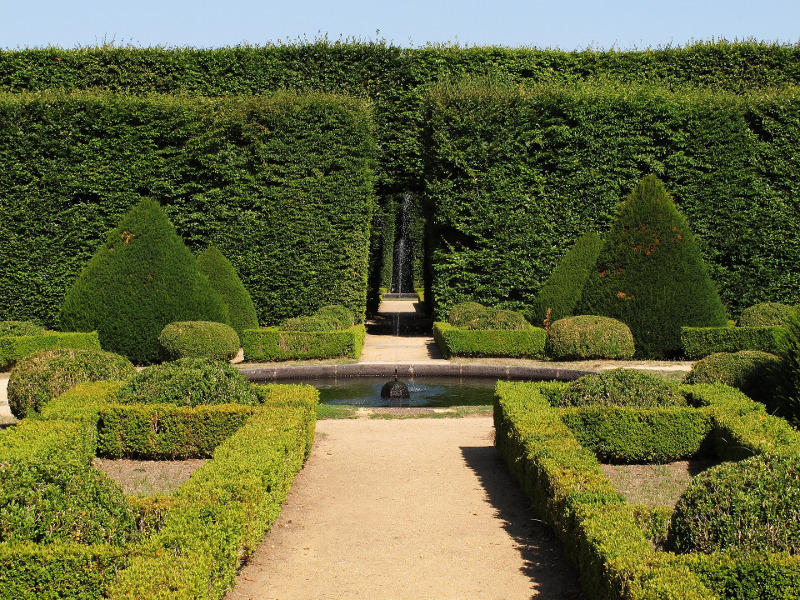
Boxwoods are popular for formal gardens, low hedges, borders, foundation plantings, and evergreen structure.
Full sun to partial shade, depending on variety and climate
Planting in hot, exposed sites without enough moisture or wind protection
Soil
Well-drained soil with moderate fertility
Planting in soggy soil or burying the root ball too deep
Water
Water regularly the first year, then during drought once established
Letting new plants dry out or keeping roots constantly wet
Mulch
Apply 2-3 inches over the root zone, away from stems
Piling mulch against the trunk
Fertilizer
Feed lightly in spring if needed
Over-fertilizing or applying fertilizer during drought stress
Pruning
Shape in late spring to early summer after new growth firms up
Heavy pruning in late summer or fall
What Are Boxwoods?
Boxwoods are evergreen shrubs in the Buxus genus. They are grown for their small, dense leaves, compact branching, slow growth, and ability to hold a formal shape. Boxwoods are often used as hedges, edging plants, and foundation shrubs. They are also good choices for knot gardens, topiary, privacy borders, containers, and year-round structure in mixed beds.
Many boxwoods grow slowly, which is one reason they are so useful in formal landscapes. They do not quickly outgrow their space, and they respond well to careful pruning. Some varieties stay low and rounded, others grow into upright pyramids. Many can be trained into topiary and tree-form shapes.
Boxwoods are also valued because they stay green through winter and fit both traditional and modern garden designs. They are one of the best shrubs for gardeners who want clean lines, evergreen color, and a polished landscape look.
Best Boxwoods To Grow
The best boxwood depends on how you want to use it. Some varieties are better for low hedges, others are good for cold climates, containers, or upright structure or topiary. Plant Addicts carries a wide selection of boxwoods online, including compact, cold-hardy, formal, rounded, upright, and disease-resistant selections.
Sprinter® Boxwood
A strong choice for gardeners who want a faster-growing boxwood for hedges, borders, and foundation plantings. It provides a classic boxwood look faster than slower-growing varieties.
A compact, rounded boxwood that works well for low hedges, borders, foundation plantings, formal gardens, and containers. It is easy to maintain in a tidy evergreen shape.
A compact boxwood for smaller spaces, low borders, formal edging, and foundation plantings. Its naturally tidy shape makes it easier to maintain than larger varieties.
An upright, pyramidal boxwood that is excellent for vertical accents, formal entrances, tall hedges, and topiary. Use it when you want height and structure.
A naturally rounded, compact boxwood for small spaces, containers, low hedges, and formal edging. This one doesn't require much pruning to keep in a tidy ball shape.
A compact, rounded boxwood that works nicely in containers, formal borders, and smaller foundation beds. It is good for making a tight evergreen mound.
Best rule of thumb: Choose the boxwood based on mature size and shape first. A naturally rounded variety is good fit for ball shapes and low hedges, while an upright variety is better for pyramids, privacy, and formal vertical accents.
Planting Boxwood
The best time to plant boxwoods is spring or fall, when temperatures are moderate and the plant has time to establish roots before summer heat or winter cold. Summer planting can work, but newly planted boxwoods will need more careful watering during hot weather.
Before planting, check the mature size of the boxwood variety you chose. Boxwoods are slow growers, but they still need enough room for airflow and long-term growth. Crowding plants too closely can lead to stress, thinning, disease pressure, and more difficult pruning later.
Water before planting. Hydrate the boxwood well before removing it from the nursery container.
Dig wide, not deep. Make the planting hole the same depth as the root ball and 2 times wider.
Set the plant slightly high. The top of the root ball should be level with or slightly above the surrounding soil.
Backfill carefully. Use native soil amended with compost if needed, and press gently with your hands.
Water deeply. Soak the root zone after planting to settle soil around the roots.
Mulch properly. Add 2-3 inches of mulch over the root zone, keeping mulch several inches away from the stems.
Water newly planted boxwoods deeply and consistently during the first growing season to help roots establish.
How Much Sun Do Boxwoods Need?
Most boxwoods grow well in full sun to partial shade. In cooler climates, many boxwoods can handle more sun. In hot climates, afternoon shade can help reduce leaf scorch, winter bronzing, and drought stress.
The best location usually gives boxwoods enough light to stay dense, but not so much harsh exposure that the plant dries out. A site with morning sun and afternoon shade is often ideal, especially for boxwoods planted near hot walls, driveways, patios, or reflective surfaces.
Good boxwood locations
Foundation beds with morning sun
Formal borders with good airflow
Hedge rows in full sun to part shade
Protected courtyard or entryway plantings
Containers near porches, patios, and walkways
Best Soil For Boxwoods
Boxwoods need well-drained soil. They do not like sitting in wet, compacted, or poorly drained soil. Root rot is one of the biggest problems for boxwoods planted too deeply or in soil that stays soggy.
Boxwoods can adapt to a range of soil types as long as drainage is good. If your soil is heavy clay, improve the planting area with organic matter and consider planting slightly high. Avoid creating a small pocket of loose soil inside dense clay, because that can hold water around the roots.
Most important soil rule: Boxwoods need oxygen around their roots. If water sits around the roots for too long, the plant may yellow, decline, thin out, or die from root disease.
Watering Boxwood
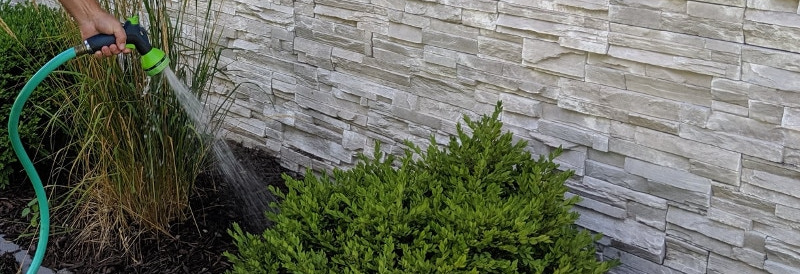
Water newly planted boxwoods deeply after planting and continue watering regularly during the first year. New boxwoods need consistent moisture while roots establish, especially during warm, dry, or windy weather.
Once established, boxwoods are more drought tolerant, but they still benefit from water during extended dry spells. Avoid frequent shallow watering. A deeper soak encourages better root growth and helps the plant handle heat and drought.
Watering tips
Water deeply after planting.
Check soil moisture regularly during the first growing season.
Water at the base of the plant instead of spraying the foliage.
Water during drought, including in dry fall weather before winter.
Avoid letting the root zone stay soggy.
Mulching Boxwoods
Mulch is very helpful for boxwoods because their roots are relatively shallow. A good mulch layer helps conserve moisture, reduce soil temperature swings, suppress weeds, and protect roots from heat and cold.
Apply 2-3 inches of organic mulch such as shredded bark, pine bark, composted leaves, or hardwood mulch. Keep mulch several inches away from the stems and trunk. Mulch piled against the base of the plant can trap moisture, encourage pests, and contribute to disease.
Fertilizing Boxwood
Boxwoods usually do not need heavy feeding. In good soil, a light spring application of balanced slow-release fertilizer may be enough. Over-fertilizing can stress the plant, encourage weak growth, and make problems worse.
Fertilize in spring when new growth begins. Avoid applying fertilizer to dry soil or during drought stress. Water before and after fertilizing to help protect the roots.
Signs boxwoods may need fertilizer or soil correction
Pale green or yellowing foliage
Weak new growth
Poor growth despite proper water and sunlight
Nutrient deficiency shown by a soil test
Old mulch and depleted soil in long-term plantings
Pruning Boxwood
Pruning is the main maintenance task for boxwoods. They can be trimmed into low hedges, rounded forms, formal shapes, spirals, cones, topiary, and tree forms. The amount of pruning depends on the look you want.
The best time to prune boxwoods is generally late spring to early summer after the first flush of new growth has hardened off. You can lightly touch up the shape during the growing season, but avoid heavy pruning late in summer or fall because new growth may not harden before winter.
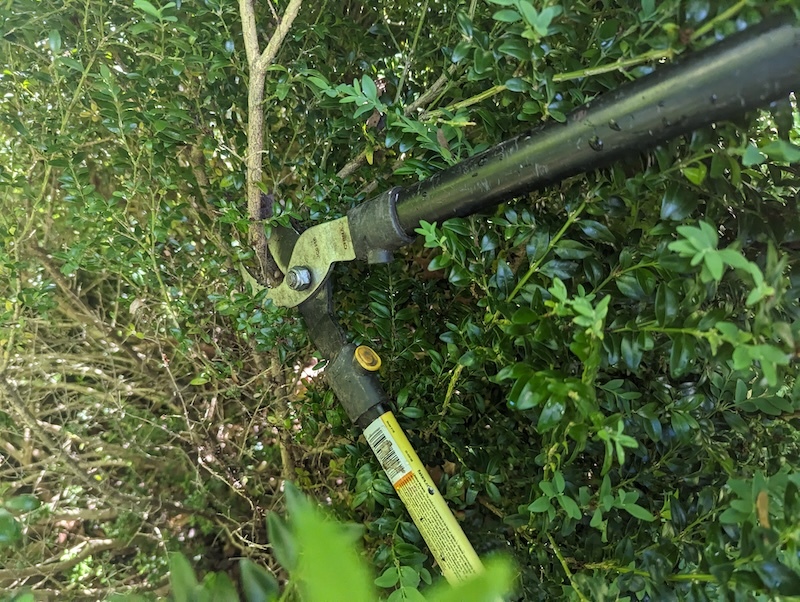
Selective pruning inside the shrub can improve shape and airflow while keeping boxwoods looking natural.
Boxwood pruning tips
Remove dead, damaged, or diseased branches first.
Use sharp, clean pruners or shears.
Thin some interior branches to improve airflow and light penetration.
Avoid cutting only the outside into a dense shell year after year.
Do not prune heavily in late summer or fall.
Prune gradually if reshaping an overgrown boxwood.
Pruning tip: A perfectly sheared boxwood hedge may look clean, but occasional thinning inside the plant helps prevent dense outer growth from blocking light and airflow.
Growing Boxwood In Containers
Boxwoods are excellent container plants because they are evergreen and slow growing. A pair of potted boxwoods can frame a doorway, define a patio, add winter interest, or create a formal look in a small space.
Choose a container with drainage holes and use a high-quality potting mix. The pot should be large enough to hold the root ball with room to expand. Container-grown boxwoods dry out faster than plants in the ground, so they need more frequent watering.
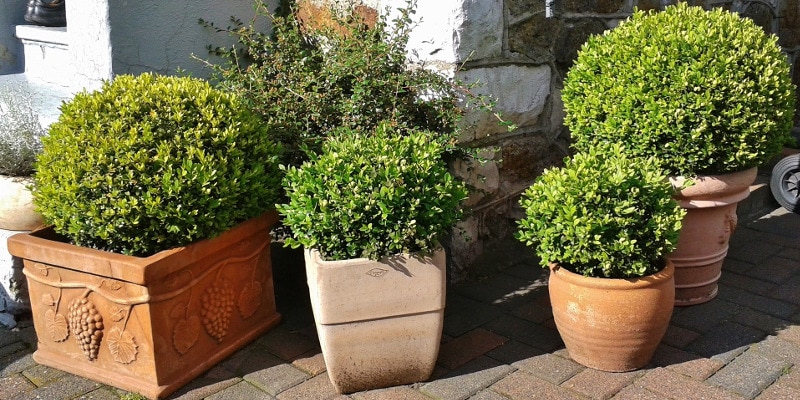
Boxwoods are excellent container shrubs for patios, porches, entrances, and formal garden designs.
Container care tips
Use a pot with drainage holes.
Choose a container at least as wide and deep as the root ball, preferably larger for long-term growth.
Use a loose potting mix, not heavy garden soil.
Water when the top few inches of soil dry out.
Protect the pot from extreme winter weather in cold climates.
Refresh soil or repot when growth slows or roots fill the container.
Boxwood Winter Care
Boxwoods are evergreen, so their leaves can continue losing moisture during winter. Winter damage often shows up as bronzing, browning, or dried foliage. Plants exposed to wind, sun, salt spray, or dry soil before the ground freezes may sustain damage over the winter.
Water boxwoods during dry fall weather before the ground freezes. Mulch the root zone and avoid late-season fertilizing. In exposed sites, burlap screens can help block drying winter winds without trapping too much heat.
Winter protection tips
Keep boxwoods watered during dry fall weather.
Maintain a proper mulch layer over the root zone.
Avoid pruning heavily in late summer or fall.
Avoid fertilizing late in the season.
Protect exposed plants from harsh winter wind.
Keep boxwoods away from areas with heavy road salt or sidewalk salt exposure.
Common Boxwood Problems
Healthy boxwoods are easier to maintain and better able to resist pests and diseases. Most problems are connected to poor drainage, drought stress, winter injury, dense pruning, poor airflow, or planting in the wrong location.
Problem
Likely Cause
What To Do
Yellow leaves
Poor drainage, root stress, nutrient issues, or winter injury
Check soil moisture, drainage, planting depth, and root health
Brown or bronze foliage
Winter burn, drought stress, sun exposure, or wind exposure
Water before winter, mulch, and protect from winter wind
Thinning interior
Dense outer shell blocking light and airflow
Thin selectively and avoid creating a dense outer shell
Wilting despite wet soil
Root rot or soggy soil
Improve drainage, avoid overwatering, and replant higher if needed
Leaf spotting or defoliation
Disease pressure, poor airflow, or sanitation issues
Remove debris, improve airflow, avoid overhead watering, and monitor closely
Boxwood Pests And Diseases
Common boxwood pests include boxwood leafminer, mites, psyllids, and scale. Damage may show up as blistered leaves, stippling, yellowing, curled new growth, or general decline. Healthy plants with proper water, mulch, and airflow are better able to tolerate minor pest pressure.
Boxwood diseases can be more serious, especially root rot and boxwood blight. Good spacing, sanitation, drainage, and airflow are important for prevention. Avoid overhead watering, clean up fallen leaves, and do not work with wet plants if disease is suspected.
Disease prevention measures: Avoid crowding boxwoods, remove old leaf debris, water at the base, and choose varieties known for improved performance when disease pressure is a concern.
Best Ways To Use Boxwoods In The Landscape
Boxwoods are among the most versatile evergreen shrubs. They can create formal structure, soften foundations, define garden beds, frame entryways, and bring winter interest to areas that otherwise look bare.
Low hedges and borders
Use compact, rounded boxwoods to outline walkways, garden beds, patios, and formal planting areas.
Foundation plantings
Boxwoods provide evergreen structure along homes and pair well with flowering shrubs, perennials, annuals, and ornamental grasses.
Topiary and formal shapes
Boxwoods can be shaped into balls, cones, spirals, pyramids, and tree forms for formal gardens and entryways.
Containers
Compact boxwoods are excellent in planters because they stay green all year and can be shaped for a polished look.
Shop Boxwoods For Sale
Browse our online selection of boxwood shrubs, including compact boxwoods, hedge boxwoods, cold-hardy varieties, rounded forms, upright types, and boxwoods for containers and formal landscapes.
Most boxwoods grow in full sun to partial shade. In hot climates, afternoon shade can help prevent stress. In cooler climates, many boxwoods can handle more sun if soil moisture is consistent.
How often should boxwoods be watered?
Newly planted boxwoods should be watered regularly during the first year. Established boxwoods need water during drought or extended dry weather. Always avoid soggy soil.
When should boxwoods be fertilized?
Fertilize boxwoods lightly in spring if needed. Use a balanced slow-release fertilizer and avoid applying fertilizer during drought stress or late in the growing season.
When should boxwoods be pruned?
Prune boxwoods in late spring to early summer after new growth has hardened off. Light touch-ups can be done during the growing season, but avoid heavy pruning in late summer or fall.
How fast do boxwoods grow?
Most boxwoods are slow growers, often growing less than 6 inches per year depending on the variety, climate, soil, and care. Some newer selections grow faster than traditional slow-growing types.
How can I make boxwoods grow faster?
You cannot make boxwoods grow quickly by pruning heavily. The best way to encourage healthy growth is to plant them correctly, water consistently during establishment, mulch well, fertilize lightly in spring if needed, and choose a faster-growing variety such as Sprinter Boxwood.
Can boxwoods grow in containers?
Yes. Boxwoods are excellent container shrubs. Use a pot with drainage holes and a quality potting mix. Potted plants will need consistent watering and winter protection in cold climates.
Why are my boxwoods turning brown?
Browning can be caused by winter burn, drought stress, poor drainage, root problems, salt exposure, disease, or pruning stress. Check soil moisture, drainage, exposure, and recent weather conditions first.
Are boxwoods deer resistant?
Boxwoods are generally considered deer resistant because the foliage is not a favorite food source for deer. No plant is completely deer proof, but boxwoods are usually a strong choice in deer-prone landscapes.
Are boxwoods poisonous?
Yes. Boxwoods are considered toxic if eaten by people, pets, and many other animals. Plant them where children and plant-chewing pets are not likely to eat the foliage.
Bottom Line
Boxwoods are some of the best evergreen shrubs for year-round structure, formal borders, low hedges, foundation plantings, containers, topiary, and polished landscape design. They are slow growing, easy to shape, and adaptable when planted in the right location.
The key to healthy boxwoods is good drainage, proper planting depth, steady watering during establishment, mulch over the shallow roots, light spring fertilizing if needed, and well-timed pruning. Choose the right variety for your space and desired shape, and boxwoods can bring dependable structure to the garden for many years.
Sources
University of Maryland Extension: Boxwood Problems
NC State Extension Gardener Plant Toolbox: Buxus
Virginia Cooperative Extension: Boxwood Blight Information