


Light Needs

Mature Height

Mature Spread

Growing Zones
Duke Highbush Blueberry grows well in Northern regions of the United States and is a relatively recent introduction from the USDA breeding program. Duke produces high yields of dark blue fruit from early July. Duke has slightly tart, but juicy fruit that is best for cooking and preserving and freezing.
Highbush Blueberries have early, mid and late season producing varieties. To obtain the highest yields of fruit and longest season of harvesting, plant a bush of each type. The blueberry harvest will continue non-stop throughout the summer. Blueberries also have stunning fall foliage that adds interest to a mixed shrub border or the kitchen garden. The fiery reds and oranges of Duke Blueberry add pops of color in the garden when other perennials and shrubs are preparing to die back for the winter.
Duke Highbush Blueberry Care
Duke Highbush Blueberry thrives in acidic soil that is extremely well-draining and rich in nutrients. Full sun helps the shrubs to produce masses of flowers late in the spring which will turn into the juicy berries of summer. Shade either early in the day or late in the afternoon is acceptable. Heavy clay soil needs to be amended so that the drainage is good and consistent, especially during the winter months.
Applying a mulch of organic compost or leaves in the fall will help to amend the soil and make it more fertile and moisture retentive. Annual pruning of Blueberries should be done early in the spring before new growth emerges. Cutting out any branches that are dead, dying or crossing will help the shrub keep a natural open vase shape. The oldest, thickest branches need to be cut out at the ground each year. This will help Duke remain vigorously growing and producing fruit. A slow release fertilizer formulated for acid loving plants should also be applied in the early spring.
Duke Highbush Blueberry Spacing
Highbush Blueberries can be planted singly in the garden if space is tight because they are self pollinating plants. Yields of fruit will be much higher if Duke Highbush Blueberry is planted with other varieties. Choose those Blueberries that will have the same bloom time.
The mature height and width of Duke is 5-6 feet. Space plants at 6 feet on center to allow for proper air circulation around the plants and easy access to all sides for harvesting fruit.
Duke Highbush Blueberry Plant Facts
Growing Conditions
- Hardiness ZonesGrowing Zones
- USDA Zones 4 to 8 (perennial); grown as an annual elsewhere (outdoors year-round); grown indoors elsewhere (outdoors year-round); grown in containers elsewhere (grown as a seasonal crop)
- Sun Exposure
- Part Sun to Full Sun (5+ Hours Direct Sun)
- Mature Height
- 5-6 Feet
- Mature Spread
- 5-6 Feet
- Growth Habit
- , Upright
- Water Needs
- Consistently Moist
Flowers & Foliage
- Flower Colors
- , Blue
- Flower Description
- Blue
- Bloom Time
- Spring
- Blooms On
-
Old Wood
?
"Blooms on" tells you which stems produce flowers, which decides when it's safe to prune.
- New Wood: Flowers form on stems that grow this season. Prune in late winter or early spring without losing blooms.
- Old Wood: Flower buds form on last year's stems. Prune right after flowering. Pruning in fall or early spring removes next year's blooms.
- Both New and Old Wood: Blooms on last year's stems and again on new growth, so it flowers even after a hard winter or a mistimed pruning. Prune lightly after the first flush of blooms.
- When to Prune
- Right after flowering
- Foliage Color
- , Green
- Foliage Description
- Green
- Foliage Type
- , Deciduous
- Seasonal Interest
- , Spring Flowering, Summer Flowering, Fall Flowering
Garden Benefits
Plant Overview
- Common Name
- Duke Highbush Blueberry
- Botanical Name
- VACCINIUM CORYMBOSUM 'DUKE'
- Plant Type
- Edible Plant
Simple Plant Spacing Calculator

Please Note: The pictures below are to give a general representation of the different container sizes. The actual size/ages of plants are estimates and will vary based on type of plant, time of year, last pruning & many other factors.
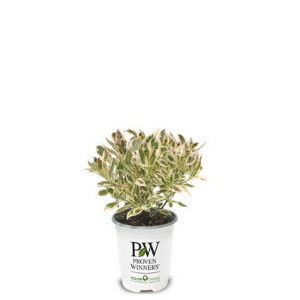
Also Known As:
Quart
Plant Age:
~ 6 months - 1 year
Plant Size:
~ 4"-8"
Pot Size:
~ 4.75"H x 4.5"W
Volume:
1.50 quarts
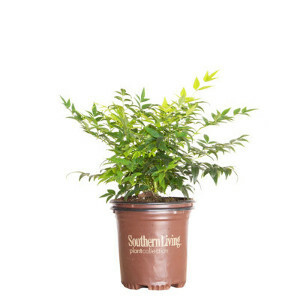
Also Known As:
2.5 Quart Pot
Plant Age:
~ 1 - 2 years old
Plant Size:
~ 8"-12"
Pot Size:
~ 6.5"H x 6.5"W
Volume:
2.20-2.30 quarts
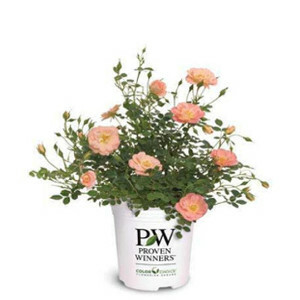
Also Known As:
#1 Container
1 Gallon
Plant Age:
~ 1 - 2 years old
Plant Size:
~ 10"-14"
Pot Size:
~ 7"H x 7.75"W
Volume:
2.26-3.73 quarts
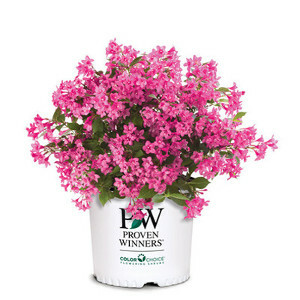
Also Known As:
#2 Container
2 Gallon
Plant Age:
~ 1.5 - 3 years old
Plant Size:
~ 12"-18"
Pot Size:
~ 9.5"H x 9.5"W
Volume:
1.19-1.76 gallons
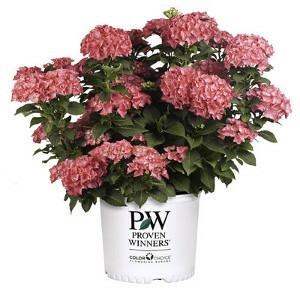
Also Known As:
#3 Container
3 Gallon
Plant Age:
~ 2 - 4 years old
Plant Size:
~ 12"-30"
Pot Size:
~9.5"H x 11"W
Volume:
2.32-2.76 gallons

Also Known As:
#5 Container
5 Gallon
Plant Age:
~3-4 years old
Plant Size:
~ 20" - 60"
Pot Size:
~11" H x 10 1/2” W
Volume:
3.5 - 4 gallons

We stand behind our plants with industry-leading guarantees to give you peace of mind.
We want your plants to arrive in great condition! If you notice any issues upon delivery, contact us within 3 days.
Starting January 1, 2026 all bushes, perennials & trees purchased come with an extended 1-year warranty for added confidence. If your plant dies due to a health issue within a year, we’ll make it right.
Plants that are currently in stock typically ship within 2-7 business days after your order is placed.
Plant Addicts ships to the lower 48 states within the U.S. Unfortunately, we do not currently ship to Alaska, Hawaii, or internationally.
This plant cannot be shipped to the following states: ID, OR, WA, AK, HI. These restrictions apply only to this specific plant due to agricultural regulations or other limitations. Other plants may still be available for shipping to these states.
If you have any questions about shipping restrictions, feel free to reach out to our team!