Smoke Trees 1 to 6 of 6 total


Smoke Trees 1 to 6 of 6 total
Chat/Email Support
Mon-Thur, 7 AM - 6 PM CST
Fri, 7 AM - 5 PM CST
Sat-Sun, 9 AM - 3 PM CST
Chat Us Email Usinfo@plantaddicts.com
Phone Support
Mon-Fri, 8 AM to 5 PM CST

Zones 4-8

Attracts Pollinators

Specimen or Focal Point

Foliage Interest
Smoketree, Smokebush, Smoke Bush
Southern Europe to central China
Trees, Shrubs
Deciduous
4 - 8
Gold/Yellow, Insignificant, Pink, Purple/Lavender
Spring, Summer
Erect, Open, Spreading
Butterflies
Drought
Deer, Pests, Diseases
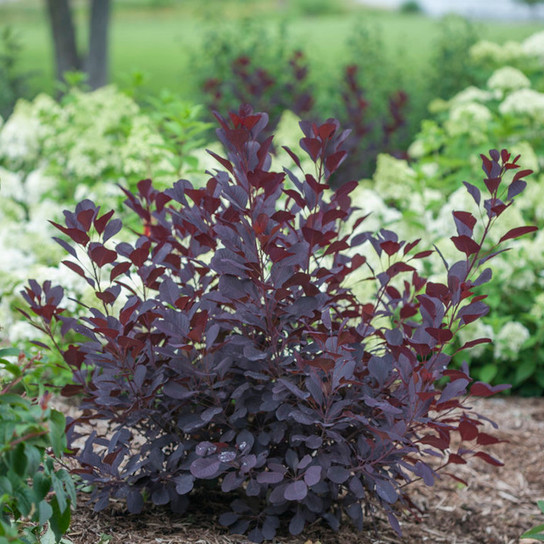
Smoke trees (Cotinus spp.) are known for their unusual, fluffy flowers that look like clouds of smoke, making them stand out in any yard. Their leaves, which can be deep purple or bright green, change to warm shades of red and orange in the fall, adding color through different seasons. These plants are also tough and can grow in many types of soil, making them a great choice for gardeners who want something both attractive and easy to care for.
Its striking foliage and airy panicles makes it an excellent focal point in landscape compositions. Some use smoke trees as a screening hedge, pruning lightly to maintain a consistent height and reveal the striking foliage. The shrub also works well in mixed borders, paired with contrasting textures or flower colors that enhance the smoky display. Alternatively, planting multiple smoke trees of different hues can give a border or property edge an engaging visual rhythm.
Smoke trees require well-drained soil and full sun exposure to develop their signature foliage and blooms. When planting, select a location with adequate space, as these trees can reach up to 15 feet in height and width. Water newly planted smoke trees regularly during their first growing season to establish a strong root system; once established, they are drought-tolerant and need minimal watering. Fertilization is generally unnecessary, as excessive nutrients can reduce flowering.
Pruning should be done in late winter or early spring to maintain shape and remove any dead or damaged branches. In colder climates, applying a layer of mulch around the base can help protect the roots during winter months. Smoke trees can be grown in containers; however, they may require more frequent watering and protection from extreme temperatures. Regular pruning can help manage the size of container plants.
Learn More About Smoke Tree Care
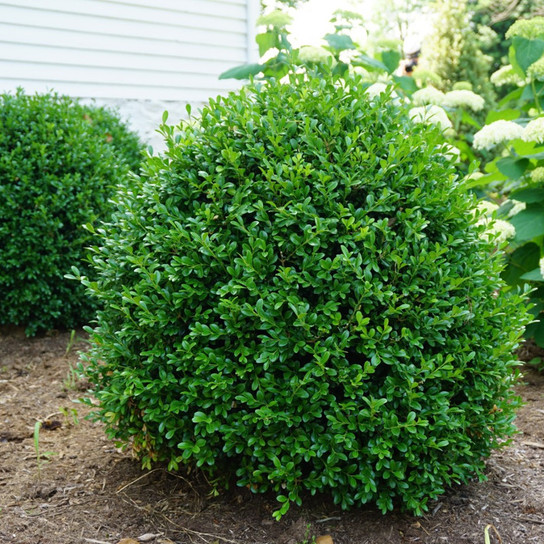
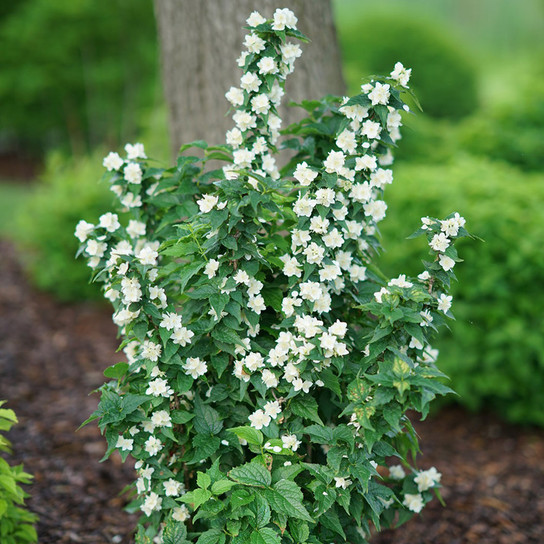
Plant smoke bush in an open, full-sun position with well-drained but not parched soil, then let it mature into a tough, low-water focal point. Evergreen boxwood supplies a neat, structural backdrop, while sweet-scented mock orange flowers in step with the smoky plumes to amplify spring colour and perfume. Below, statuesque irises push fresh foliage and blooms up through the airy canopy as drought-tolerant hardy geraniums weave a ground-level carpet, stretching the display through summer.