
Shade gardens already pose a challenge. Add hungry deer, and the plant list gets much shorter. You can expect hostas, hydrangeas, daylilies, and tender new growth to disappear quickly in deer-heavy neighborhoods, especially when natural food is limited.
The best deer-resistant perennials for shade usually have one or more traits deer dislike: bitter or toxic compounds, leathery leaves, rough or fuzzy foliage, strong scent, or fine texture. No plant is completely deer-proof, but choosing the right shade perennials can make your garden much less tempting.
Jump to Deer-Resistant Shade Perennials
Best Deer-Resistant Perennials for Shade at a Glance
Use this chart as a starting point. Deer resistance is not a guarantee, but these categories are better choices than hostas and other deer favorites in shady gardens.
| Plant Category | Why Deer Avoid It | Best For | Light & Soil | Priority |
|---|---|---|---|---|
| Hellebore | Leathery foliage and toxic compounds make it less appealing to deer. | Winter and early spring flowers, evergreen structure, woodland beds. | Part shade to full shade; rich, moist, well-drained soil. | Best overall |
| Barrenwort | Tough, wiry stems and bitter foliage are usually unappealing. | Dry shade, under trees, low groundcover, weed suppression. | Full shade to part shade; well-drained soil; drought tolerant once established. | Best for dry shade |
| Lungwort | Rough, speckled foliage is not a preferred deer snack. | Early spring flowers and silver-spotted foliage. | Partial shade to full shade; humus-rich, moist, well-drained soil. | Best early color |
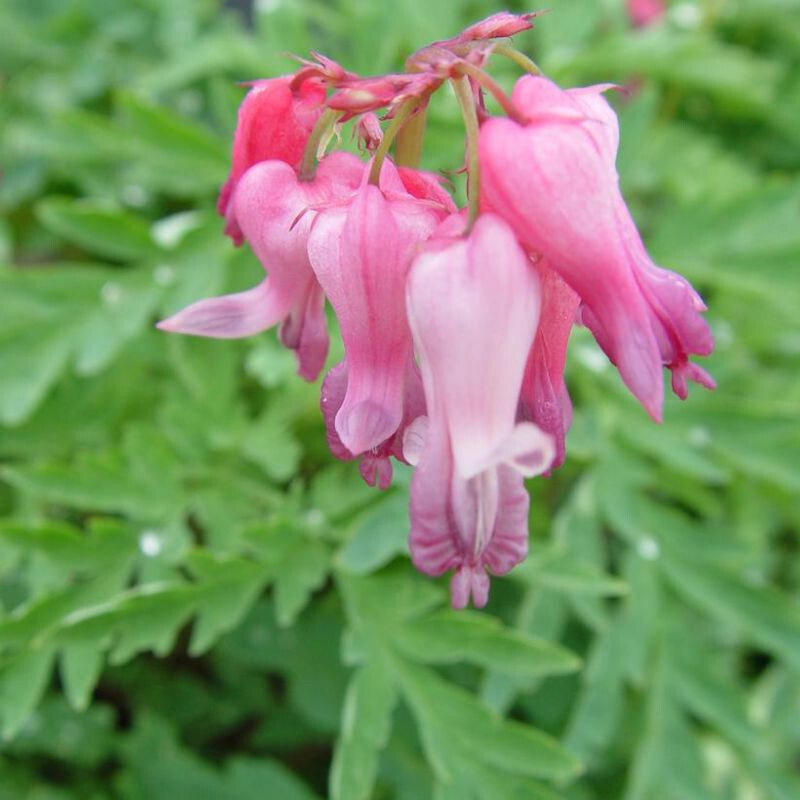
| Bleeding Heart | Toxic qualities and ferny foliage help reduce browsing. | Spring flowers, woodland gardens, cottage-style shade borders. | Full shade to part shade; rich, moist, well-drained soil. | Best spring blooms |
| Ferns | Fine texture and low palatability make many ferns less attractive to deer. | Texture, woodland plantings, slopes, shady foundation beds. | Full shade to part shade; most prefer moist, organic soil. | Best foliage filler |
| Dead Nettle | Textured foliage and low growth habit often make it less appealing. | Fast groundcover, edging, bright foliage in dark corners. | Part shade to full shade; average to moist, well-drained soil. | Best groundcover |
| Astilbe | Generally less preferred, though not as foolproof as hellebore or barrenwort. | Moist shade, flower plumes, pollinator-friendly color. | Part shade; consistently moist, rich soil. | Best for moist shade |
| Windflower | Often passed over when more tender plants are available. | Late-season flowers, movement, and fall interest. | Part shade to sun depending on type; moist, well-drained soil. | Best late color |
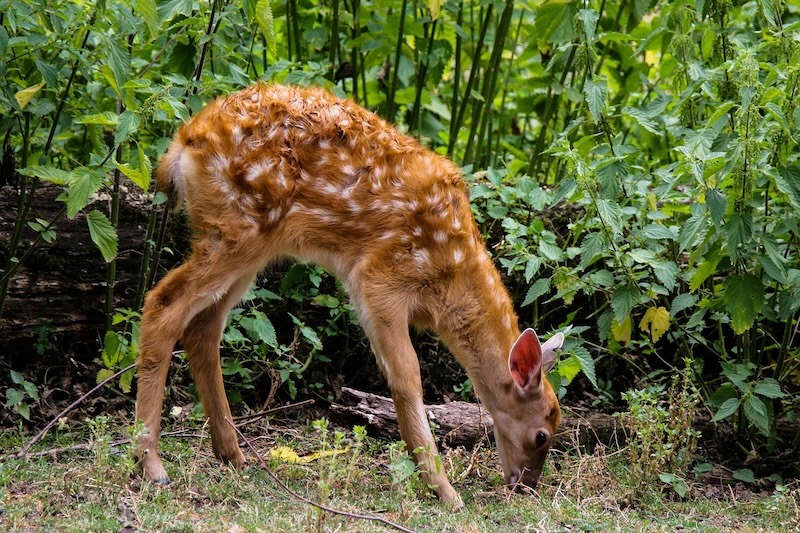
Best Overall Deer-Resistant Shade Perennials
For the most reliable deer resistance in shade, start with hellebores, barrenwort, lungwort, bleeding heart, and ferns. These plants are better suited to deer-heavy shade gardens than more commonly browsed plants such as hostas.
Plant Addicts Expert Tip: Deer resistant does not mean deer proof. If deer are hungry enough, they may sample almost anything. Use the most resistant plants as the backbone of the planting, and protect newer plants with repellents or temporary fencing until they are established.
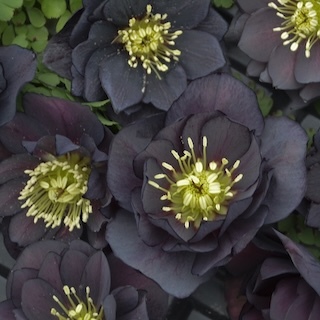
1. Hellebore
Hellebores, commonly called lenten roses, are among the best choices for a deer-resistant shade garden. Their leathery evergreen foliage and toxic compounds make them less appealing to deer, and their late winter to early spring flowers arrive when the garden needs color most.
Plant hellebores in part shade to full shade in rich, moist, well-drained soil. They work beautifully under deciduous trees, along shaded walkways, and near the front of woodland borders where the nodding flowers can be seen up close.
Why we like hellebores:
- Excellent deer resistance for shady spaces.
- Flowers very early in the season.
- Evergreen or semi-evergreen foliage adds winter structure.
- Pairs well with ferns, barrenwort, lungwort, and spring bulbs.
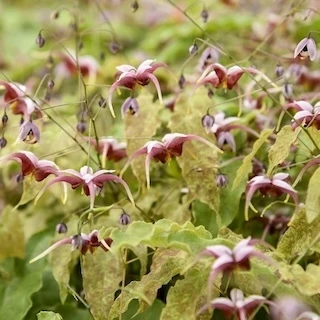
2. Barrenwort
Barrenwort, also called epimedium or bishop’s hat, is one of the best deer-resistant perennials for dry shade. It grows well beneath trees and shrubs where roots compete for moisture, and it slowly spreads into a tidy groundcover.
The foliage often emerges with bronze, red, or burgundy tones in spring before maturing to green. Delicate spring flowers appear above the leaves, giving the plant a much softer look than its tough nature suggests.
Why we like barrenwort:
- Excellent for dry shade under trees.
- Slow-spreading habit helps cover bare soil without taking over quickly.
- Spring flowers and changing foliage add seasonal interest.
- A smart choice where hostas keep getting eaten.
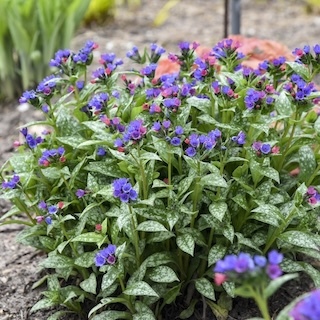
3. Lungwort
Lungwort, also known as pulmonaria, is a dependable shade perennial with silver-spotted foliage and early spring flowers. The leaves have a rough texture that deer usually avoid, making it a solid pick for woodland edges, shaded paths, and the front of a border.
Lungwort grows best in partial to full shade with humus-rich soil that stays evenly moist but drains well. It may struggle in hot, dry spots, so mulch and consistent moisture help keep the foliage looking fresh.
Why we like lungwort:
- Early spring flowers support the start of the season.
- Silver-spotted foliage brightens dark shade.
- Works well near hellebores, ferns, and astilbe.
- Stays compact enough for edging and small gardens.
4. Bleeding Heart
Bleeding heart is a classic spring-blooming perennial for shade and woodland gardens. The heart-shaped flowers bring color before many summer perennials wake up, and the ferny foliage adds softness around shrubs, ferns, and spring bulbs.
Plant bleeding heart in rich, moist, well-drained soil. Many types naturally go dormant in summer heat, so place them near later-emerging companions such as ferns, astilbe, or barrenwort to fill the space after the foliage fades.
Why we like bleeding heart:
- Spring flowers are showy and easy to recognize.
- Works well in full shade to part shade.
- Pairs nicely with ferns and astilbe.
- Deer usually prefer other plants when food is available.
5. Ferns
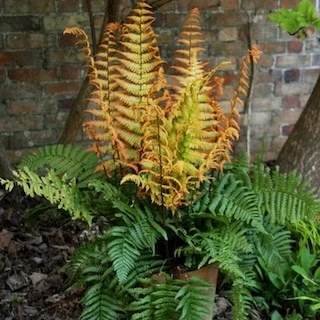
Ferns are some of the most useful deer-resistant plants for shade because they add texture, movement, and fullness without relying on flowers. Many hardy ferns are passed over by deer and can fill the same visual role as hostas in a woodland garden.
Use ferns as a background layer behind shorter plants, as a repeating texture along a shady path, or as a soft filler around hellebores and bleeding hearts. Most ferns prefer moist, organic soil, although some tolerate drier shade once established.
Good fern options:
- Christmas fern
- Cinnamon fern
- Japanese painted fern
- Autumn fern
- Lady fern
6. Dead Nettle
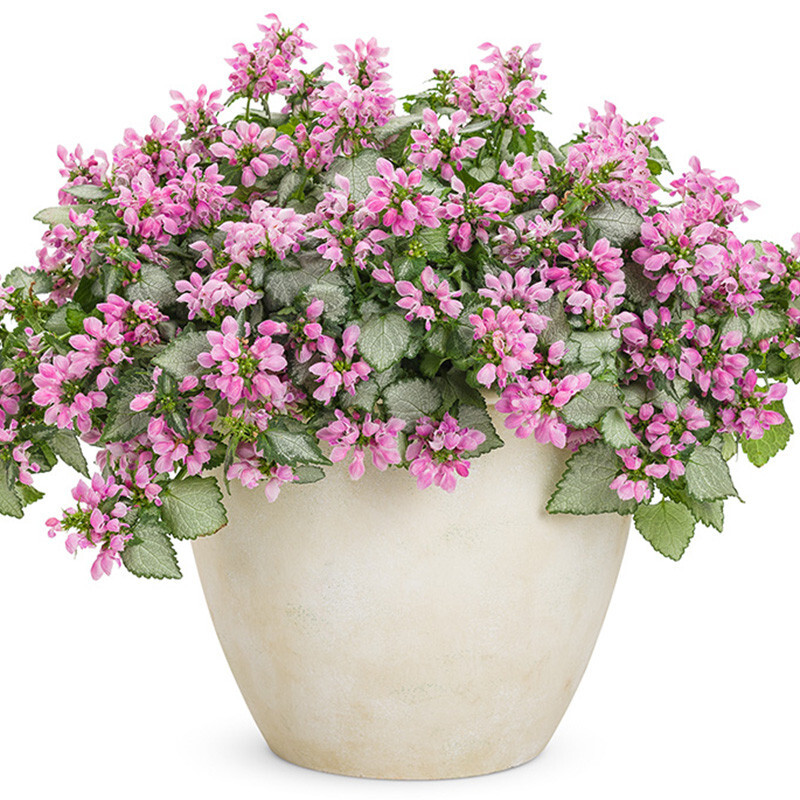
Dead nettle, also called lamium, is a fast-growing groundcover for shade and part shade. Its silver-marked foliage brightens dark corners, and small flowers provide spring and early summer color.
This plant is useful where you need a low, spreading layer under shrubs or between taller perennials. It tolerates shade well and can help cover bare soil before weeds move in.
Why we like dead nettle:
- Good deer-resistant groundcover for shade.
- Silver foliage adds contrast under trees and shrubs.
- Fills in faster than many woodland perennials.
- Works well along bed edges, slopes, and shady paths.
7. Astilbe
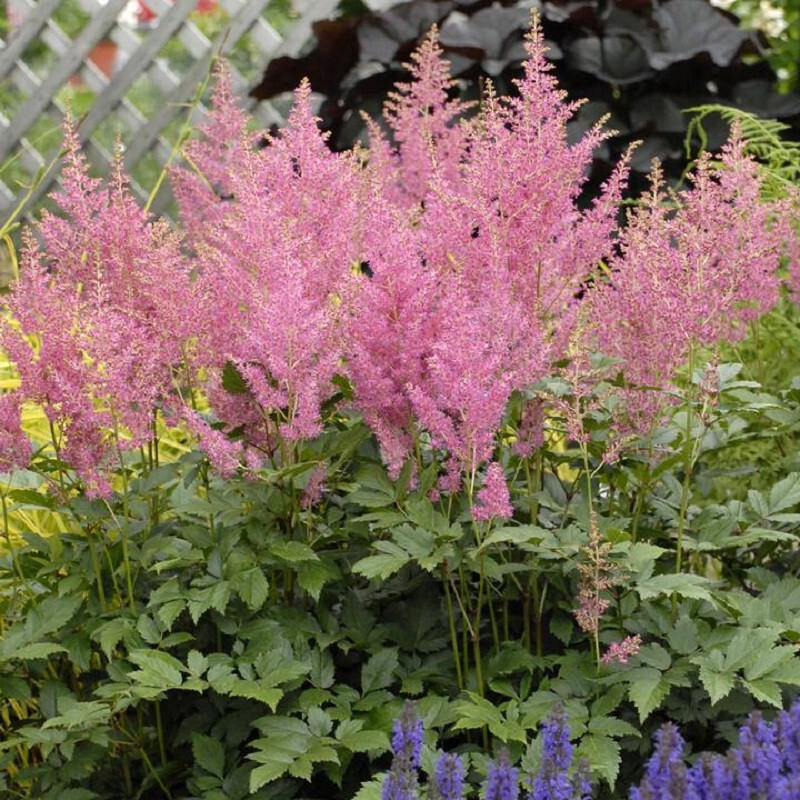
Astilbe is one of the best flowering perennials for moist shade. It brings feathery plumes in shades of pink, red, lavender, white, and cream, plus fern-like foliage that looks good even after the blooms fade.
Astilbe is usually a better choice than many tender shade perennials in deer-heavy gardens, but it does need consistent moisture. It is not the best plant for dry shade unless you can water regularly.
Why we like astilbe:
- Adds reliable summer flowers to shade.
- Soft foliage contrasts well with hellebores and ferns.
- Good for rain gardens, moist borders, and pond edges.
- Performs best where soil does not dry out.
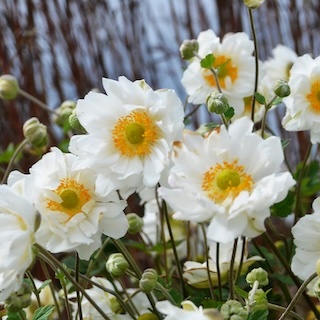
8. Windflower
Windflowers, or anemones, add graceful blooms and movement to partially shaded gardens. Many bloom later than spring woodland perennials, helping stretch the season after bleeding hearts and lungwort are finished.
Windflowers are best for part shade rather than the darkest corners. Give them rich, moist, well-drained soil and enough room to spread, since some types can naturalize over time.
Why we like windflowers:
- Extends bloom time into late summer or fall depending on type.
- Adds airy flowers and movement to shade borders.
- Pairs well with ferns, sedges, and Japanese forest grass.
- Best in part shade with steady moisture.
More Deer-Resistant Shade Perennials to Consider
These plants can also work in deer-resistant shade gardens, but some are better used as supporting plants rather than the main backbone. If deer pressure is intense, protect young plants until they are established.
| Plant | Why We Like It | Best Placement | Deer Notes |
|---|---|---|---|
| Jacob's Ladder | Blue spring flowers and ladder-like foliage. | Cool, moist shade or woodland edges. | Good supporting choice, especially in mixed plantings. |
| Foamflower | Native woodland groundcover with airy spring flowers. | Moist shade, woodland edges, under shrubs. | Worth trying, but protect if deer browse it in your yard. |
| Coral Bells | Bold foliage color in shade containers and borders. | Part shade with sharp drainage. | Use with caution if your local deer already browse them. |
| Columbine | Spring flowers for pollinators and cottage-style shade. | Part shade to sun; well-drained soil. | Not a top pick if deer have damaged it in your garden. |
| Ajuga | Low, spreading groundcover with colorful foliage. | Full shade to part shade, edges, slopes, and small patches. | Can be browsed in some gardens; use as a secondary option. |
| Sedge & Japanese Forest Grass | Soft texture and movement without relying on flowers. | Shade edges, paths, slopes, and modern woodland plantings. | Texture may help, but browse pressure varies by species and site. |
Individual Deer-Resistant Shade Plants to Remember
Some excellent shade plants may not need their own category in this article, but they are still worth mentioning when planning a deer-resistant woodland garden.
| Plant | Why It Is Useful | Best Use |
|---|---|---|
| Brunnera | Silver or variegated heart-shaped leaves and small blue spring flowers. | Brightening dark shade near ferns and hellebores. |
| Solomon's Seal | Graceful arching stems and clean woodland structure. | Naturalistic shade plantings and woodland edges. |
| Ligularia | Bold leaves and yellow flower spikes for moist shade. | Damp shade, pond edges, rain gardens, and moist borders. |
| Sweet Woodruff | Low groundcover with fragrant white spring flowers. | Under shrubs, along paths, and beneath deciduous trees. |
How to Grow Deer-Resistant Shade Perennials
Deer-resistant shade perennials are easier to maintain when they are planted in the right conditions from the start. Healthy, established plants are more likely to recover from light browsing than stressed plants.
| Care Factor | Best Practice |
|---|---|
| Light | Match plants to the actual light. Most plants on this list prefer part shade with morning sun or filtered light. |
| Soil | Most woodland perennials prefer loose, humus-rich, well-drained soil. Add compost before planting if the soil is compacted or poor. |
| Water | Water consistently the first year. Astilbe, lungwort, foamflower, and ligularia need more moisture than barrenwort or many ferns. |
| Mulch | Use shredded leaves, compost, or fine bark mulch to conserve moisture and mimic woodland soil. |
| Deer Protection | Protect new plants with repellents, netting, or temporary fencing until they are rooted in and less tender. |
Deer-resistance reminder: Deer seek out succulent, nutrient-dense, high-moisture vegetation. Newly planted perennials are often more vulnerable because they are tender, watered, fertilized, and easy to reach. Even resistant plants may need protection during establishment.
Designing a Deer-Resistant Shade Garden
The best deer-resistant shade gardens use layers. Start with the most reliable deer-resistant plants, then add more vulnerable plants only where you can protect them or where deer pressure is lower.
- Ground layer: Barrenwort, dead nettle, sweet woodruff, and low ferns help cover soil.
- Foliage layer: Ferns, hellebores, brunnera, sedges, and Japanese forest grass add structure.
- Flower layer: Lungwort, bleeding heart, astilbe, windflowers, and hellebores provide seasonal bloom.
- Moist shade: Use astilbe, lungwort, foamflower, ferns, and ligularia.
- Dry shade: Use barrenwort, hellebores, some ferns, and established dead nettle.
Shop Deer-Resistant Perennials
Plant Addicts carries deer-resistant perennials for shade, including hellebore, barrenwort, lungwort, bleeding heart, ferns, dead nettle, astilbe, windflowers, and other shade-loving perennials for deer-prone gardens.
Shop Deer-Resistant Perennials for ShadeDeer-Resistant Shade Perennial FAQs
What is the best deer-resistant perennial for shade?
Hellebore is one of the best deer-resistant perennials for shade because deer usually avoid its leathery foliage and toxic compounds. Barrenwort is another excellent choice, especially for dry shade under trees.
Are hostas deer resistant?
No. Hostas are one of the most commonly damaged shade perennials in deer-heavy gardens. If deer regularly browse your yard, replace some hostas with hellebores, barrenwort, ferns, lungwort, or dead nettle.
Will deer eat coral bells or tiarella?
Deer may browse coral bells or tiarella in some gardens, especially when deer pressure is high or plants are newly planted. They can still be useful shade plants, but they are not the first plants to rely on if deer damage is severe.
What deer-resistant shade perennial works in dry shade?
Barrenwort is one of the best choices for dry shade. It tolerates tree-root competition better than many flowering shade perennials once established. Hellebores and some ferns can also work in dry shade if watered well during establishment.
What deer-resistant shade perennial works in moist shade?
Astilbe, lungwort, foamflower, ferns, and ligularia are good choices for moist shade. Avoid planting moisture-loving perennials in dry tree shade unless you can water consistently.
Are deer-resistant plants safe from all browsing?
No. Deer-resistant plants are simply less preferred. Deer may still sample them during drought, winter, high population pressure, or when the plants are newly planted and tender.
Bottom Line
The best deer-resistant perennials for shade are plants deer usually pass over because of texture, taste, toxicity, or low palatability. Hellebore, barrenwort, lungwort, bleeding heart, ferns, dead nettle, astilbe, and windflower are good places to start.
For the strongest results, build the garden around your most resistant choices and treat more vulnerable plants, such as coral bells, tiarella, columbine, and ajuga, as secondary options. In a deer-heavy yard, even resistant plants benefit from protection while they establish.
About The Author

Written by Jessica Mercer
PhD, Senior Horticulturist
Jessica Mercer, PhD, is a Senior Horticulturist at Plant Addicts. Her science training shapes the way she researches plant care and gardening topics, allowing her to turn technical information into helpful, easy-to-follow guidance for gardeners.
Last updated by Plant Addicts on June 24th, 2026.
Sources
- Rutgers Cooperative Extension: Landscape Plants Rated by Deer Resistance.
- Penn State Extension: Hellebore growing guidance.
- University and county Extension resources on shade perennials, woodland gardening, deer-resistant plants, and plant establishment.
- Plant Addicts product information and gardening experience with shade perennials, deer-resistant plants, and customer support questions.