
New Gardening Trends for 2026
Trends move fast in fashion and interior design, but gardening trends tend to take their time. A new idea appears, gardeners test it against weather, soil, pests, budgets, and real life, and then it either fades away or becomes part of how we garden.
That is what makes the 2026 gardening trends interesting. Many are not brand-new. They are practical ideas that have been gaining strength for years: fewer thirsty lawns, more native plants, more food growing, better containers, more layered plantings, and gardens that give back.
Our expert recommendation: Do not feel pressured to chase every new garden trend. Start with one change that makes your garden more useful, resilient, or enjoyable. Replace a patch of lawn or plant something for pollinators. Small changes count.
Jump To 2026 Gardening Trends
1. Rewilding Intentionally
Rewilding is one of the biggest garden buzzwords for 2026, but it does not mean abandoning the yard and hoping for the best. A successful rewilded garden still needs a plan. The goal is to make room for native plants, pollinators, birds, and beneficial insects without letting invasive plants take over.
For home gardeners, this can be as simple as converting part of the lawn into a meadow-style planting, adding native shrubs along a property edge, or leaving a small brush pile in a tucked-away corner. Start small. A little patch of habitat is easier to manage than an entire yard gone rogue.
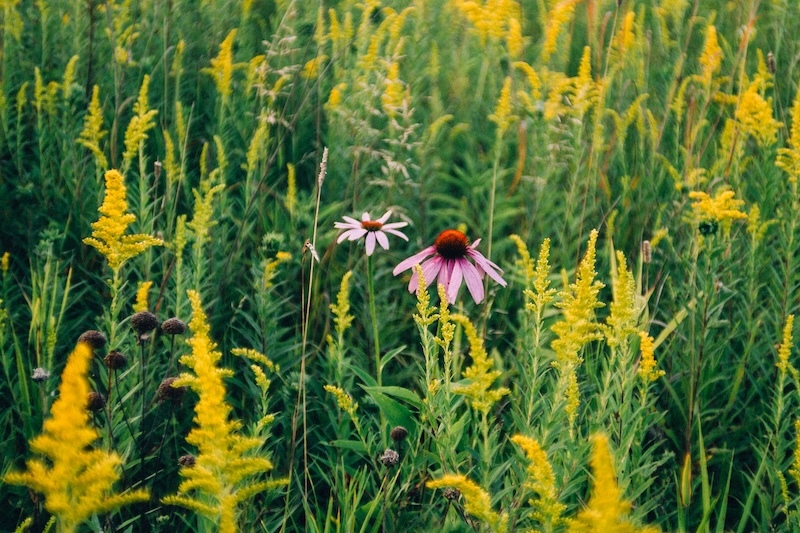
Try this trend: Add a mown edge, stepping stones, boulders, or a simple path around a rewilded area. These visual cues make a natural planting look more refined.
2. Gravel Gardens and Water-Wise Design
Gravel gardens are moving from public gardens into home landscapes. This style uses gravel as both a mulch and a design element, creating a clean, modern look that works well with drought-tolerant perennials, ornamental grasses, herbs, and Mediterranean-style plants.
They have a practical appeal. Gravel gardens can reduce watering, improve drainage, suppress weeds, and create strong texture in the landscape. They are especially useful in hot, dry sites or areas where traditional mulch breaks down too quickly.
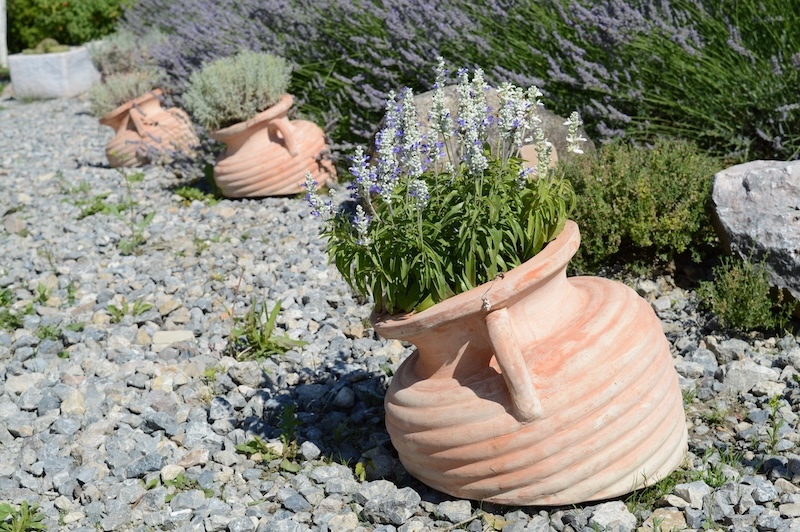
Good plants for gravel gardens
- Lavender
- Catmint
- Yarrow
- Sedum
- Ornamental grasses
- Salvia
3. Cut Flower Gardens
Cut flower gardens continue to gain popularity as more people want homegrown bouquets and locally grown flowers. Favorites include dahlias, zinnias, cosmos, sunflowers, snapdragons, celosia, and heirloom annuals because they bloom heavily and bring color indoors.
You do not need a flower farm to join this trend. A sunny raised bed, a few rows in the vegetable garden, or a large container can produce enough flowers for small arrangements all summer.
For the best results, choose flowers with long stems and keep plants watered during dry weather. Many cut flowers bloom more when picked regularly, so harvest often to keep your flower patch productive.
4. Gardens That Support Ecology
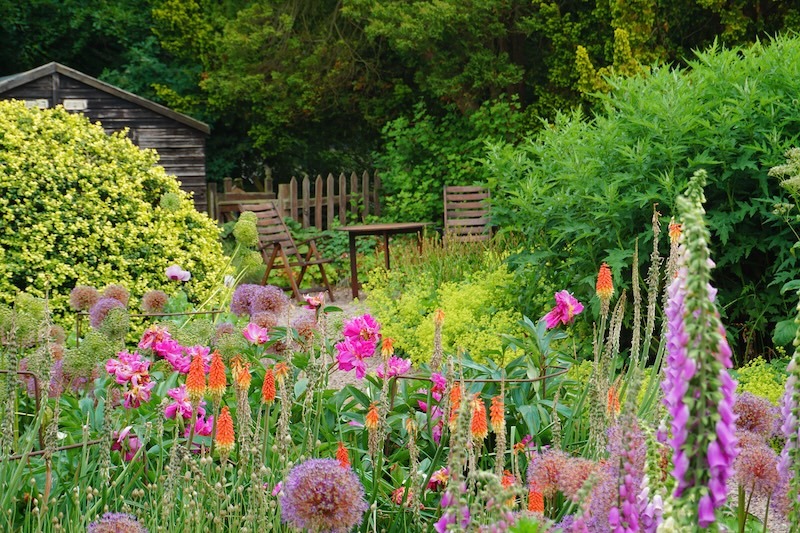
Ecological gardening is no longer a niche idea. More gardeners are thinking about what their yards provide for pollinators, birds, soil life, and local ecosystems.
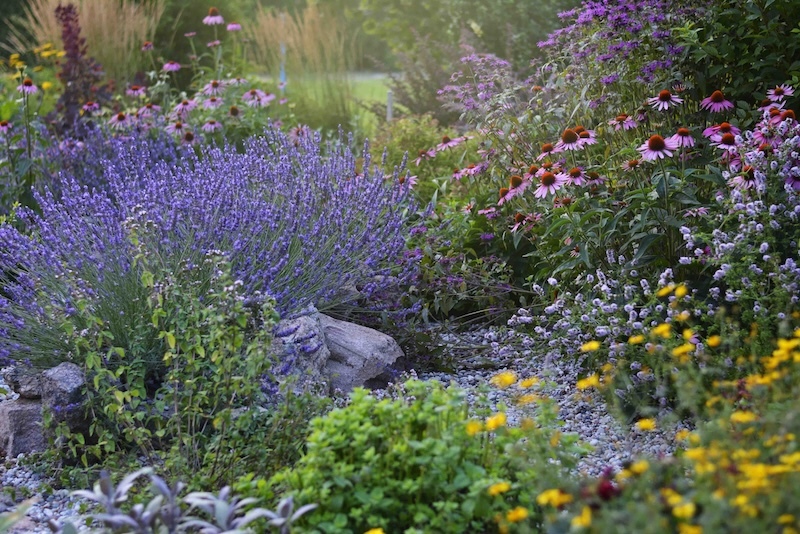
Native plants are a big part of this shift, especially plants that support butterflies, bees, and seed-eating birds. Some of the best natives for wildlife include butterfly milkweed, coneflowers, black-eyed Susans, bee balm, serviceberry, chokeberry, oakleaf hydrangea, and native grasses.
There is also more interest in leaving the leaves and seed heads through winter, which help protect plant crowns during freezes and provide food and habitat for wildlife. You can also create habitat by arranging small piles of twigs, stems, and branches. Done thoughtfully, these features can look natural and tidy at the same time.
| Ecological Practice | Garden Benefit |
|---|---|
| Leave seed heads standing | Provides winter food for birds and shelter for beneficial insects. |
| Use native plants | Supports local pollinators, caterpillars, birds, and wildlife. |
| Reduce lawn space | Cuts mowing, watering, fertilizer use, and maintenance. |
| Add habitat piles | Creates shelter for insects, birds, and small wildlife. |
5. Fruit Growing and Edible Landscapes
Food gardening is expanding beyond the vegetable bed. In 2026, more gardeners are blending edible plants into ornamental landscapes with fruiting shrubs, compact fruit trees, herbs, berries, and edible flowers.
Edible gardeners are incorporating figs, blueberries, blackberries, serviceberries, pawpaws, persimmons, strawberries, and container citrus. Some are native or regionally adapted. Others work well in pots, which makes them useful for patios and smaller yards.
This trend is partly about food costs and partly about flavor. A ripe berry from the garden typically beats any supermarket produce. Edible landscaping also makes the yard more useful, so in addition to beauty, you also get function.
Edible plants with ornamental value
- Blueberries for flowers, fruit, and fall color.
- Serviceberries for spring blooms and edible summer berries.
- Figs for bold foliage and sweet fruit.
- Herbs for fragrance, flowers, and kitchen use.
- Strawberries for containers, borders, and edible groundcover.
6. Maximalist Planting
After years of clean lines and minimal planting, many gardeners are ready for abundance again. Maximalist garden design celebrates layers, color, texture, and personality. More is more, but there is a method behind it.
This trend works best when plants are grouped by similar needs. Sun-loving, drought-tolerant plants go together. Shade plants get their own space. Moisture-loving plants stay where the soil stays damp. The result looks full and expressive but is easy to maintain.
Think tall grasses, flowering shrubs, bold foliage, long-blooming perennials, annuals, herbs, and containers all working together. This is a great style for gardeners who like a full, generous look and do not want every plant clipped into submission.

7. Houseplants and Creative Indoor Displays
Houseplants are still going strong. They make gardening possible for renters, apartment dwellers, office workers, and anyone who wants plants close by year-round.
Aroids such as philodendrons, pothos, monsteras, and anthuriums remain popular with collectors. Snake plants are also holding strong because they tolerate lower light, missed waterings, and general household chaos. New foliage forms keep them feeling fresh.
The display methods are getting more creative, too. Climbing poles, wall-mounted planters, kokedama, terrariums, and grouped plant shelves turn indoor plants into part of the home’s design. For many people, the houseplant collection is not just decor. It is a hobby.
8. Containers, Tiny Gardens, and Pet-Friendly Spaces
Container gardening is not new, but it keeps evolving. Gardeners are using pots for herbs, vegetables, compact shrubs, small fruits, pollinator plants, and seasonal color. Containers make gardening possible on balconies, decks, front steps, and rented spaces.
The “tiny plant” trend also fits here. Gardeners with limited room are hunting for dwarf vegetables, compact fruiting plants, miniature foliage plants, and patio-ready varieties. Small plants can still feel satisfying when they produce flowers, fruit, fragrance, or texture.
Pet-friendly gardening is another growing focus. More homeowners want outdoor spaces that work for dogs and cats as well as people. That means choosing sturdy plants, avoiding toxic choices in high-traffic pet areas, using tough groundcovers, and creating paths or open areas where pets can move without trampling precious garden beds.
Design tip: In pet-friendly gardens, plan for movement by designating a path, open play area, or sturdy groundcover for pets to use, so they don't carve their own route through flower beds.
9. Hydrangeas and Nostalgic Favorites
Hydrangeas continue to have their moment. Gardeners who want long-lasting flowers are adding new panicle hydrangeas, smooth hydrangeas, oakleaf hydrangeas, and reblooming bigleaf types. Their strong landscape presence is a major draw.
Part of the appeal is nostalgia. Hydrangeas, roses, peonies, bearded iris, lilacs, and old-fashioned perennials bring a sense of history to the garden. They feel familiar, comforting, and generous.
The 2026 version of nostalgia is more practical, however, as gardeners look for classic plants with better disease resistance, stronger stems, longer bloom periods, and improved performance in modern landscapes.
10. AI, Garden Apps, and Smarter Tools
Artificial intelligence is entering the garden through design apps, plant identification tools, irrigation systems, and garden planning software. These tools can be helpful, especially for visualizing layouts or getting a quick plant ID.
But use them with common sense. AI can repeat bad gardening advice, misidentify plants, or suggest plants that are wrong for your climate, soil, sun exposure, or local ecosystem. It may also generate fake plant images or unrealistic seed listings.
Garden technology is best used as a starting point, not the final answer. Pair apps and AI tools with local extension resources, nursery advice, plant tags, regional gardening books, and your own observations.
Important: Be cautious with AI-generated plant images and seed listings. If a plant looks too strange, too perfect, or impossible for the species, verify it through a trusted nursery, Extension source, or botanical garden before buying.
2026 Gardening Trends Questions
What is the biggest gardening trend for 2026?
The biggest gardening trend for 2026 is creating gardens that do more. Gardeners want outdoor spaces that are beautiful, but also support wildlife, grow food, conserve water, reduce stress, and fit real-life needs.
Is rewilding the same as letting the yard go?
No. Good rewilding is intentional. It usually includes native plants, invasive plant management, habitat features, and design cues such as paths, mown edges, boulders, or repeated plant groupings.
Are gravel gardens good for home landscapes?
Yes, gravel gardens can work well in home landscapes, especially in sunny, dry, well-drained areas. They are best paired with drought-tolerant plants that do not need rich, constantly moist soil.
What are the easiest cut flowers to grow?
Zinnias, cosmos, sunflowers, celosia, snapdragons, and dahlias are popular cut flowers for home gardeners. Choose a sunny site, water during dry weather, and harvest often to encourage more blooms.
How can I make my garden more ecological?
Start by adding native plants, reducing lawn space, avoiding unnecessary pesticides, leaving some seed heads through winter, and creating shelter for wildlife. Even one small pollinator bed can make a difference.
Can AI help with gardening?
AI can help with garden planning, layout ideas, and basic plant identification, but it should not be your only source. Always verify plant choices and care advice with local Extension resources, nursery professionals, plant tags, or regional gardening guides.
Bottom Line
The biggest gardening trend for 2026 is not one plant, one color, or one design style. It is a shift toward gardens that do more.
Gardens are becoming places to grow food, support wildlife, conserve water, reduce stress, welcome pets, and express personality. Some are wild and meadow-like. Some are packed with flowers. Some fit on a balcony. Some are full of houseplants under a grow light.
There is room for all of it.
Have you noticed any garden trends picking up steam lately?
Sources
- Pennsylvania Horticultural Society: Top 10 Gardening Trends for 2026
- Garden Media Group: 2026 Garden Trends Report
- University Extension resources on native plants, pollinator gardens, no-till gardening, composting, and water-wise landscaping
- Regional botanical gardens and public garden trend reports on gravel gardens, cut flower growing, houseplants, and ecological planting
About The Author

Written by Chris Link
Chris Link is the co-owner of Plant Addicts and helps gardeners find the right plants for their yards, homes, and growing conditions. Plant Addicts has helped millions of gardeners shop for plants and learn how to care for them.
Originally published January 4, 2021. Last updated June 2, 2026.