
A full-sun garden can be gorgeous, but it can also become an open buffet for deer. When deer are hungry or natural food is limited, tender new growth, flower buds, and freshly planted perennials are particularly tempting.
The best deer-resistant perennials for full sun usually have traits deer dislike, such as strong fragrance, bitter or toxic compounds, tough leaves, fuzzy foliage, sword-like texture, or dry, aromatic stems. No plant is completely deer-proof, but choosing the right full-sun perennials can make your garden much less inviting.
Jump to Deer-Resistant Full-Sun Perennials
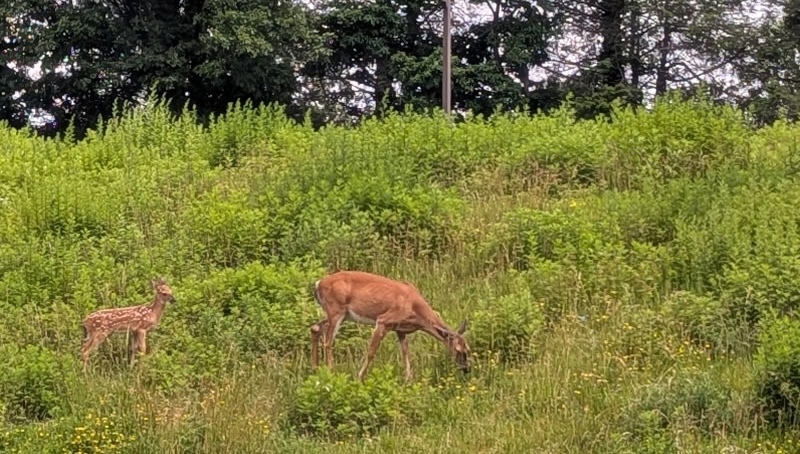
Best Deer-Resistant Perennials for Full Sun at a Glance
Use this chart as a starting point for sunny, deer-prone gardens. Full sun means at least 6 hours of direct sunlight per day. Deer resistance is not a guarantee, but these categories are better choices than plants deer commonly browse, such as daylilies and many tender annuals.
| Plant Category | Why Deer Avoid It | Best For | Light & Soil | Priority |
|---|---|---|---|---|
| Catmint | Aromatic foliage and mint-family scent make it less appealing. | Edging, borders, pollinator gardens, hot dry spots. | Full sun; well-drained soil; drought tolerant once established. | Best overall |
| Lavender | Strong fragrance, narrow leaves, and dry texture are not preferred. | Dry borders, paths, containers, pollinator gardens. | Full sun; lean, very well-drained soil. | Best fragrance |
| Russian Sage | Fragrant, silvery foliage and dry stems discourage browsing. | Hot borders, drought-tolerant beds, late-season color. | Full sun; dry to average, well-drained soil. | Best drought tolerance |
| Iris | Sword-like leaves are tough and not especially palatable. | Spring flowers, cut flowers, borders, wet or dry sites depending on type. | Full sun to part sun; soil needs vary by iris type. | Best spring structure |
| Peony | Flavor, fragrance, and stem texture make plants less attractive. | Long-lived spring flowers, cut flowers, cottage gardens. | Full sun; rich, well-drained soil; avoid planting too deeply. | Best long-lived bloom |
| Yucca | Stiff, sharp-tipped foliage is rarely appealing to deer. | Dry sites, gravel gardens, slopes, hot foundation beds. | Full sun to part shade; sharply drained soil. | Best tough foliage |
| Allium | Onion-like compounds make foliage and bulbs unappealing. | Pollinator beds, borders, low-maintenance sunny gardens. | Full sun to part sun; well-drained soil. | Best pest resistance |
| False Indigo | Bitter, unpalatable foliage and tough stems reduce browsing. | Native-style gardens, back borders, pollinator plantings. | Full sun; well-drained soil; drought tolerant once established. | Best native-style structure |
Best Overall Deer-Resistant Full-Sun Perennials
For the strongest combination of deer resistance, full-sun performance, and easy care, start with catmint, lavender, Russian sage, iris, peony, yucca, allium, and false indigo. These plants bring fragrance, structure, flowers, or tough foliage to sunny spaces without being first-choice deer food.
Plant Addicts Expert Tip: Deer resistant does not mean deer proof. Young plants, flower buds, and freshly watered new growth can still be sampled. Protect new plantings with repellents or temporary fencing until they are established.
1. Catmint
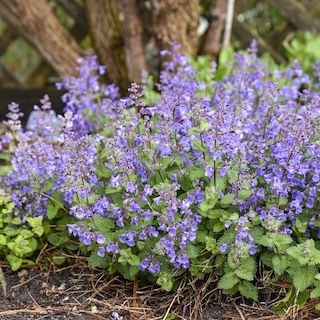
Catmint is one of the easiest deer-resistant perennials for full sun. The fragrant gray-green foliage, long bloom time, and drought tolerance make it a reliable choice for borders, driveway edges, pollinator gardens, and low-water landscapes.
Plant catmint in full sun and well-drained soil. Once established, it handles heat and dry spells better than many flowering perennials. Shear plants after the first heavy bloom to encourage fresh growth and more flowers.
Why we like catmint:
- Aromatic foliage helps discourage deer browsing.
- Long bloom time supports bees and other pollinators.
- Works well along paths, borders, and hot driveways.
- Pairs beautifully with peonies, salvia, iris, and roses.
2. Lavender
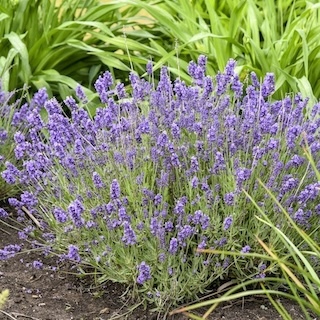
Lavender is a top choice for deer-prone full-sun gardens because the foliage is strongly scented, narrow, and dry-textured. Deer usually prefer softer, juicier plants when those are available.
The key to growing lavender well is drainage. Choose a sunny site with lean, loose soil, and avoid low spots that stay wet after rain. Lavender is especially useful near patios, walkways, mailboxes, and hot foundation beds.
Why we like lavender:
- Strong fragrance helps make plants less attractive to deer.
- Excellent for dry, sunny, well-drained spaces.
- Flowers attract bees and other pollinators.
- Works well in containers, borders, herb gardens, and rock gardens.
3. Russian Sage
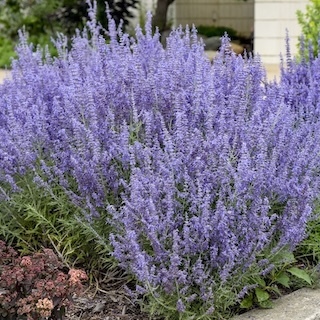
Russian sage is a tough full-sun perennial for hot, dry gardens. Its silvery foliage and lavender-blue flowers add airy color in summer, and the aromatic stems are usually not appealing to deer.
Plant Russian sage in full sun with fast-draining soil. Too much shade or rich, wet soil can lead to floppy growth. Use it in hot borders, drought-tolerant plantings, gravel gardens, and sunny slopes.
Why we like Russian sage:
- Very good drought and heat tolerance once established.
- Aromatic foliage helps reduce deer browsing.
- Adds soft color after many spring perennials finish blooming.
- Pairs well with yarrow, catmint, allium, and ornamental grasses.
4. Iris
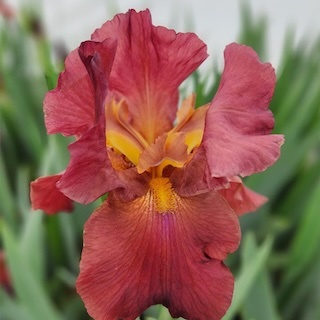
Iris is one of the best deer-resistant flowering perennials for sunny spring color. The upright, sword-like leaves are not a favorite food source, and established clumps can bring structure to the garden even after the flowers fade.
Most iris types bloom best with at least 6 hours of direct sun. Bearded iris prefer excellent drainage and shallow planting, while Siberian and Japanese iris can tolerate more moisture. Match the iris type to the site before planting.
Why we like iris:
- Rarely damaged by deer in many gardens.
- Sword-like foliage adds vertical structure.
- Spring blooms provide strong color and good cut flowers.
- Many types tolerate heat, humidity, and difficult conditions once established.
5. Peony
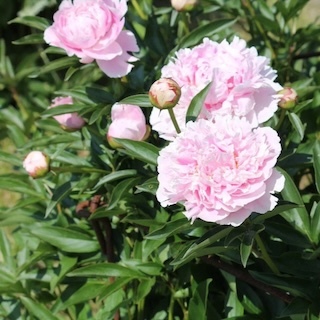
Peonies are long-lived full-sun perennials that deer usually leave alone. The large spring flowers are excellent for cutting, and established plants can return for decades when planted correctly.
Peonies need full sun, well-drained soil, and correct planting depth. If peonies are planted too deeply or receive too much shade, they may grow foliage without many blooms. In deer-heavy areas, keep an eye on flower buds, since Rutgers notes deer may eat buds even on plants rated rarely damaged.
Why we like peonies:
- Long-lived plants with huge spring flowers.
- Usually avoided by deer once established.
- Excellent cut flowers and cottage-garden structure.
- Pairs well with catmint, iris, salvia, and allium.
6. Yucca
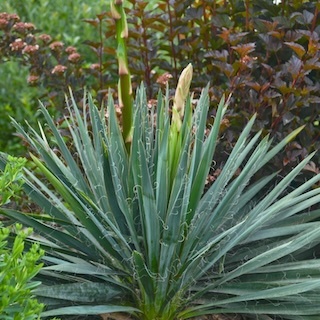
Yucca is one of the toughest deer-resistant choices for hot, dry, sunny sites. The stiff evergreen foliage is sharp and architectural, making it much less appealing than soft new perennial growth.
Plant yucca in full sun to part shade with excellent drainage. It is a strong option for dry slopes, gravel gardens, parking strips, and foundation beds where other perennials struggle with heat, drought, or poor soil.
Why we like yucca:
- Stiff foliage is rarely attractive to deer.
- Handles heat, drought, poor soil, and dry sites.
- Adds evergreen structure to sunny beds.
- Works well in low-water and modern landscape designs.
7. Allium
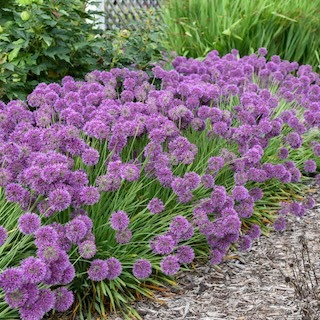
Alliums, also called ornamental onions, are among the more reliable deer-resistant perennials and bulbs. Their onion-like compounds make them unappealing to deer, rabbits, and many rodents.
Use alliums in full sun borders, pollinator gardens, rock gardens, and low-maintenance perennial beds. Globe-shaped flower heads add structure, and many types pair especially well with peonies, iris, catmint, and salvia.
Why we like allium:
- Pungent foliage makes alliums very low on the deer menu.
- Flower globes add strong shape to perennial beds.
- Pollinators love the flowers.
- Many types tolerate dry soil once established.
8. False Indigo
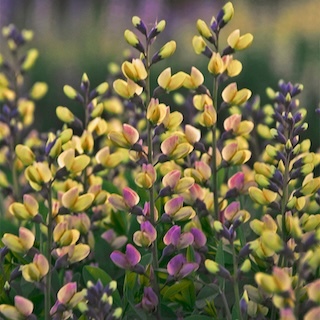
False indigo, or Baptisia, is a durable native-style perennial for full sun. Deer usually avoid the foliage, and established plants develop deep roots that make them very drought tolerant.
Give false indigo room to mature. These plants can become shrub-like over time and are not easy to move once established. Plant them in full sun with well-drained soil and use them toward the middle or back of the border.
Why we like false indigo:
- Strong deer resistance once established.
- Deep roots help with drought tolerance.
- Flowers support pollinators in late spring to early summer.
- Seed pods add late-season interest.
More Deer-Resistant Full-Sun Plants to Consider
These plants can also work well in sunny deer-resistant gardens. Some are better as supporting plants, fillers, or companion choices rather than the main backbone of the planting.
| Plant | Why We Like It | Best Placement | Deer Notes |
|---|---|---|---|
| Salvia | Colorful flower spikes, aromatic foliage, and strong pollinator value. | Sunny borders, pollinator gardens, cottage gardens. | Aromatic foliage helps discourage browsing. |
| Yarrow | Tough, drought-tolerant flowers with fine foliage. | Dry borders, cut flower gardens, pollinator beds. | Usually avoided, but flower stems may be sampled in some gardens. |
| Bee Balm | Fragrant foliage and bold summer blooms for hummingbirds and bees. | Sunny pollinator beds with evenly moist soil. | Mint-family scent helps; keep plants healthy with good airflow. |
| Thyme | Low, fragrant groundcover for hot, dry spaces. | Rock gardens, path edges, slopes, between stones. | Strong scent and dry texture help discourage deer. |
| Threadleaf Coreopsis | Fine foliage and cheerful flowers for sunny borders. | Mass plantings, cottage gardens, low-maintenance borders. | Rutgers lists threadleaf coreopsis as rarely damaged. |
| Ornamental Grasses | Fine texture, movement, and four-season structure. | Sunny slopes, meadow-style beds, privacy screens. | Many true grasses are rarely browsed once established. |
How to Grow Deer-Resistant Perennials in Full Sun
Most deer-resistant full-sun perennials are easier to grow when they are not overwatered or overfertilized. Many of the toughest choices prefer bright light, good drainage, and a moderate hand with fertilizer.
| Care Factor | Best Practice |
|---|---|
| Light | Choose plants labeled for full sun when the site gets at least 6 hours of direct light. Some plants tolerate part sun, but bloom best with more light. |
| Soil | Drainage matters. Lavender, catmint, Russian sage, allium, iris, thyme, and yucca can struggle in wet, heavy soil. |
| Water | Water deeply during the first growing season. Once established, many aromatic and drought-tolerant perennials need less frequent watering. |
| Fertilizer | Avoid heavy feeding for lean-soil plants. Too much fertilizer can create soft growth that is more appealing to deer. |
| Deer Protection | Protect new plants until they are rooted in. Even resistant plants can be sampled when they are young, tender, or freshly watered. |
Deer-resistance reminder: Deer browsing varies by region, herd size, season, and weather. A plant that is rarely damaged in one yard may still be sampled in another, especially during drought or winter food shortages.
Designing a Deer-Resistant Full-Sun Garden
The most successful deer-resistant sunny gardens use repeated groups of plants with similar needs. Keep dry-site plants together, and avoid mixing lavender or yucca with moisture-loving plants that need regular irrigation.
- Dry border: Catmint, lavender, Russian sage, yarrow, thyme, allium, and yucca.
- Spring bloom bed: Iris, peony, allium, catmint, and salvia.
- Native-style planting: False indigo, bee balm, ornamental grasses, salvia, and yarrow.
- Low-growing edge: Thyme, catmint, compact salvia, and shorter yarrow varieties.
- Back-of-border structure: Russian sage, false indigo, ornamental grasses, yucca, and rose of Sharon shrubs.
Shop Deer-Resistant Perennials for Sun
Plant Addicts carries deer-resistant perennials, including catmint, lavender, Russian sage, iris, peony, allium, false indigo, salvia, yarrow, bee balm, thyme, and other sunny plants deer are less likely to browse.
Shop Deer-Resistant Perennials for SunDeer-Resistant Full-Sun Perennial FAQs
What is the best deer-resistant perennial for full sun?
Catmint is one of the best all-around deer-resistant perennials for full sun because it is fragrant, drought tolerant, pollinator friendly, and easy to grow. Other top choices include lavender, Russian sage, iris, peony, yucca, allium, and false indigo.
Are peonies deer resistant?
Yes, peonies are generally considered deer resistant and are rated as rarely damaged by Rutgers Cooperative Extension. Deer may still sample flower buds in some situations, especially when food is scarce.
Are irises deer resistant?
Yes, irises are usually good deer-resistant perennials. Their stiff, sword-like foliage is not especially appealing, and many gardeners find them reliable in deer-prone gardens.
Are daylilies deer resistant?
No. Daylilies are often browsed by deer and are not the best choice for unprotected deer-heavy gardens. Try iris, allium, catmint, lavender, or Russian sage instead.
What is a deer-resistant shrub I can plant?
Rose of Sharon is generally deer resistant and is a useful sunny companion plant behind deer-resistant perennials.
Are deer-resistant plants safe from all browsing?
No. Deer-resistant plants are simply less preferred. Deer may still sample them during drought, winter, high deer pressure, or when plants are newly installed and tender.
Bottom Line
The best deer-resistant perennials for full sun are plants deer usually pass over because of fragrance, texture, taste, or toughness. Excellent starting points for a deer-resistant planting include catmint, lavender, Russian sage, iris, peony, yucca, allium, and false indigo.
For the strongest results, match each plant to the right site. Dry-loving plants such as lavender, catmint, Russian sage, thyme, and yucca need sharp drainage, while peonies and iris need correct planting depth and enough sun to bloom well. Protect new plants until they are established, even when they are labeled deer resistant.
About The Author

Written by Jessica Mercer
PhD, Senior Horticulturist
Jessica Mercer, PhD, is a Senior Horticulturist at Plant Addicts. Her science training shapes the way she researches plant care and gardening topics, allowing her to turn technical information into helpful, easy-to-follow guidance for gardeners.
Last updated by Plant Addicts on June 25th, 2026.
Sources
- Rutgers Cooperative Extension: Landscape Plants Rated by Deer Resistance.
- North Carolina Extension Gardener Plant Toolbox: Catmint and Yucca plant profiles.
- University of Minnesota Extension: Salvia growing guidance.
- Colorado State University Extension: Lavender growing guidance.
- Plant Addicts product and category information for deer-resistant full-sun perennials, including catmint, lavender, Russian sage, iris, peony, allium, false indigo, salvia, yarrow, bee balm, thyme, ornamental grasses, and rose of Sharon.
- Plant Addicts gardening experience with deer-resistant plants, full-sun perennials, and customer support questions.