Verbenas are known as low-maintenance plants, and they are, but taking the time to cut them back can help the plant thrive and maintain the look you want for your outdoor space. Each growing season is different, so you may not always need to cut back your verbena plants. If your plants are looking leggy or you want to make the most of the blooming period, trimming your verbenas can help.
The quick answer: Deadhead verbena by snipping off faded flower clusters just above the next set of leaves, or lightly shear the plant every few weeks. Many newer trailing verbenas, such as Superbena®, are self-cleaning and do not need it. If plants get leggy or stop blooming in midsummer, cut them back by one-quarter to one-third and feed them. For perennial verbena, stop pruning about six weeks before your first frost, leave the stems over winter, and clean up dead growth in spring.
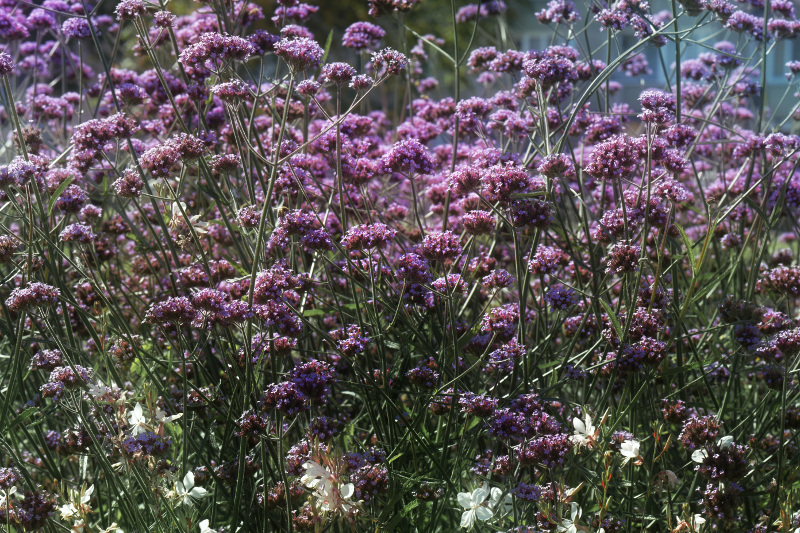
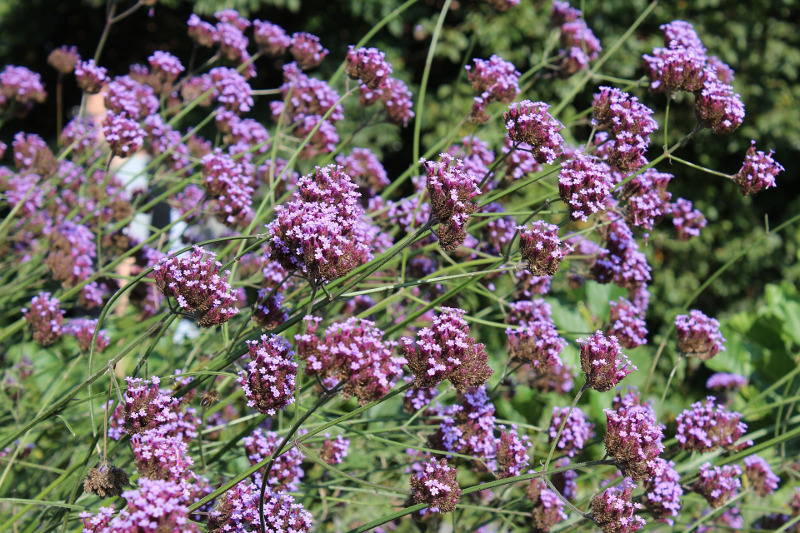
Faded verbena flower clusters can be snipped off to keep the plant tidy and blooming.
How much you prune depends on the kind of verbena you are growing. This guide covers flowering verbena, not lemon verbena, which is a culinary herb.
Type
Examples
Deadheading
Pruning
Annual and trailing hybrid verbena
Superbena®, Lanai® and other bedding and basket verbenas
Helpful for older varieties; optional for self-cleaning series
Trim stem tips to keep plants full; cut back by up to one-third if leggy
Perennial trailing verbena
Homestead Purple and other hardy, spreading types
Shear lightly after each big flush of flowers
Light summer trims; leave stems over winter and clean up in spring
Tall verbena
Verbena bonariensis
Recommended to limit self-seeding
Trim by one-third in early summer if floppy; cut old stems back in spring
Verbena Pruning Calendar
When
What To Do
Spring
Once new growth appears, cut perennial verbena back to remove winter-damaged stems. Pinch the tips of new plants to encourage branching.
Late spring to summer
Deadhead or lightly shear after each flush of flowers.
Midsummer
Cut leggy or tired plants back by one-quarter to one-third, then feed and water.
About 6 weeks before first frost
Stop pruning perennial verbena so it can prepare for winter.
Fall and winter
Leave perennial verbena stems standing. Pull and compost annual verbena after frost.
When To Prune Verbena
Perennial verbenas can be trimmed in the spring to help shape the plant and promote new growth. Upright verbenas can handle being trimmed back during the growing season if the plant gets too tall for your space. Trailing verbenas can also be cut back at any time during the growing season if the plant becomes leggy.
Deadheading verbena, or removing spent flowers, maintains a clean appearance and allows the plant to refocus its energy into even more flowers. On perennial verbena, leave any dead growth in fall to protect the plant during the winter, and trim it back in the spring.
Stop pruning perennial verbena about six weeks before your first frost. Late trimming pushes out tender new growth that can delay dormancy and make the plant less cold hardy.
How To Deadhead Verbena
Verbena blooms in clusters at the tips of its stems. Deadheading removes those clusters once they fade, which keeps the plant tidy and encourages new flower buds.
Does verbena need deadheading?
Not always. Many newer trailing verbenas, including the Superbena® series, are self-cleaning and keep blooming without it. Older seed-grown and bedding verbenas benefit more, since they slow down once they start setting seed. Tall Verbena bonariensis should be deadheaded if you want to limit self-seeding.
Wait until the flowers fade. Spent clusters look dull, brown or papery.
Follow the stem down. Find the first set of healthy leaves or a small side shoot below the faded cluster.
Snip just above it. Use clean scissors or pruners. New flowering shoots will grow from that point.
Or shear the whole plant. For large mats or baskets, lightly shear across the top of the plant every few weeks instead of snipping each cluster.
How To Prune Verbena
Look at the shape of the verbena plant. The plant should look even and consistent. Identify any areas that are dead, overgrown or bare.
Remove sections using clean, sharp pruning shears. Snip off dead growth and even up stems to create a consistent look. Cut just above a set of leaves or a side shoot.
Remove spent blooms. Trim off any dead flower clusters to keep a neat look while also promoting more blooms.
Feed and water. After a larger trim, water well and apply a fertilizer for flowering plants to support new growth.
How To Revive Leggy Verbena
By midsummer, verbena often looks tired, with long, bare stems and fewer flowers. A rejuvenation trim brings it back.
Cut back by one-quarter to one-third. Trim the whole plant with scissors or shears, cutting just above a set of leaves.
Feed after trimming. Apply a flower fertilizer as directed on the label, especially for plants in containers and hanging baskets.
Water well. Keep the soil evenly moist while new shoots form.
Be patient. New growth and flowers usually return within a few weeks.
Leggy growth is also a sign that verbena wants more sun. Plants grown in less than full sun tend to stretch and bloom less. For more help, see why verbena aren’t blooming.
How To Prune Verbena Bonariensis
Tall verbena (Verbena bonariensis) grows airy stems up to 6 feet tall topped with small purple flower clusters that pollinators love. It needs a slightly different approach:
Early summer: If plants are tall or floppy, cut stems back by about one-third to create a shorter, bushier plant.
Summer: Deadhead faded flower heads. It self-seeds freely and has naturalized in parts of the Southeast and California, so deadheading keeps it from spreading.
Fall: Leave the stems standing over winter. They add structure to the garden and help protect the crown.
Spring: Once new shoots appear at the base, cut the old stems back to the ground.
“When I lived in Seattle, I usually left my Verbena bonariensis standing until early spring, then cut the brown stems down to the basal growth during my spring cleanup. As its self-seeding became more rampant, I started cutting off more of the spent flower heads before they went to seed to limit the number of volunteers.”
Annual verbena plants can be pulled and composted in the fall after frost. Perennial verbena will grow year-round in subtropical climates. In this type of environment, it is only necessary to trim back dead growth as it occurs. In most other regions, perennial verbenas will need to overwinter. Leave any dead growth in the fall, as this can help protect the plant during the winter. When the temperature is consistently warm in the spring, you can trim back and remove the dead growth to prepare for the new growth to emerge.
Regular deadheading and a midsummer trim keep verbena covered in blooms.
Why Prune Verbena?
Cutting back a verbena will rejuvenate the plant and encourage it to push out new growth, creating a full look. If a trailing verbena looks leggy or the stems are sparse, cutting the plant back will allow it to grow back with a more compact and full appearance. The same is true for upright varieties; if the plant is overgrown and not as full as you would like, cutting them back can give the verbena the chance to start over.
Pruning also opens up dense growth so air can move through the plant. That helps prevent powdery mildew, a common verbena problem, especially on plants that are crowded, stressed or growing in too much shade.
Common Verbena Problems Pruning Can Fix
Problem
Likely Cause
What To Do
Long, bare stems
Midsummer fatigue or too little sun
Cut back by one-quarter to one-third and feed
Flowering has slowed
Plant is setting seed or needs nutrients
Deadhead or shear lightly, then fertilize
White powder on leaves
Powdery mildew from crowding, shade or stress
Remove affected stems and thin crowded growth. See verbena diseases.
Seedlings everywhere
Verbena bonariensis self-seeding
Deadhead before seeds ripen and pull extra seedlings in spring
Verbena Pruning Tips
Trim verbena in the spring to remove dead or overgrown sections.
Verbena can be pruned throughout the growing season to maintain a consistent look.
Do not cut back more than one-third of the plant at a time. Verbena recovers quickly from a light trim, but removing more could stunt the growth.
Stop pruning perennial verbena about six weeks before the first frost.
Feed plants after a midsummer cutback.
Clean your pruning shears or scissors before and after use to prevent the spread of bacteria or fungus.
Shop Verbena
Browse trailing, upright and perennial verbena for containers, hanging baskets, borders and pollinator gardens.
Not always. Self-cleaning varieties like Superbena® keep blooming without it. Older bedding verbenas and Verbena bonariensis benefit from deadheading to extend bloom or limit self-seeding.
How do you deadhead verbena?
Snip off each faded flower cluster just above the next set of leaves or side shoot. For large plants, lightly shear across the top every few weeks instead.
When should you cut back verbena?
Trim perennial verbena in spring once new growth appears, and cut leggy plants back by one-quarter to one-third in midsummer. Stop pruning perennial verbena about six weeks before the first frost.
Should I cut back verbena in the fall?
Not perennial verbena. Leave the stems standing over winter to protect the crown, and cut them back in spring. Annual verbena can be pulled and composted after frost.
How far back can I cut verbena?
Remove no more than one-third of the plant at a time. A cut of one-quarter to one-third in midsummer is usually enough to bring back full growth and flowers.
Why is my verbena leggy?
Verbena often gets leggy in midsummer or when it gets less than full sun. Cut it back by up to one-third, feed it, and move container plants to a sunnier spot if needed.
Does verbena come back every year?
Some do. Hardy perennial verbenas return in their growing zones, and Verbena bonariensis often comes back from self-sown seed. Most trailing hybrid verbenas are grown as annuals.
Bottom Line
Verbena needs only light care to bloom from spring to frost. Deadhead faded flowers if your variety needs it, cut leggy plants back by up to one-third in midsummer, and feed them afterward.
For perennial verbena, stop pruning about six weeks before the first frost, leave the stems standing over winter, and clean up dead growth in spring once new shoots appear.
Sources
Clemson Cooperative Extension Home & Garden Information Center: Verbena
Mississippi State University Extension: Verbena
Proven Winners: Superbena® Verbena Care
California Invasive Plant Council: Verbena bonariensis Profile
Alison Cotsonas writes about plant care, perennials, shrubs, and gardening for Plant Addicts. Plant Addicts helps gardeners choose the right plants and care for them successfully in home landscapes and containers.
Originally published December 13, 2021. Last updated November 2026.