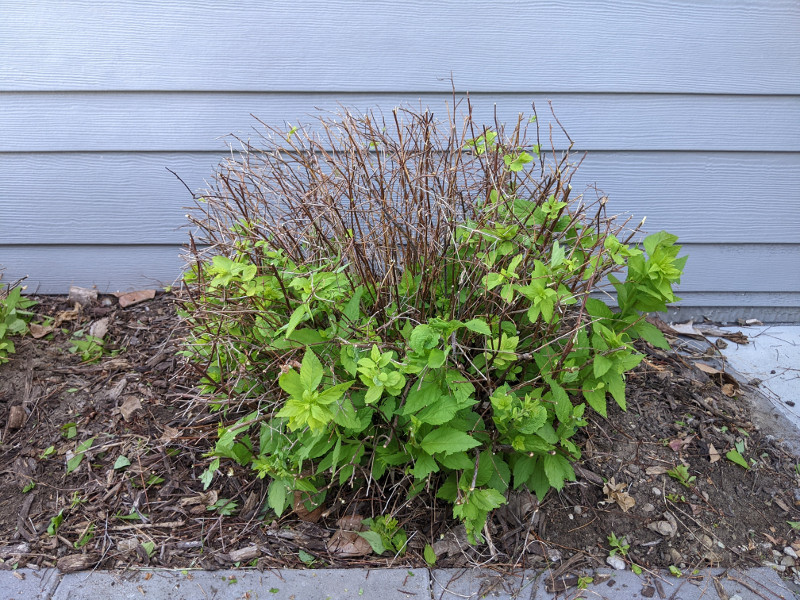
Spirea (Spiraea) is a genus with about 80 to 100 species in the rose family, Rosaceae. These deciduous shrubs are native to the Northern Hemisphere, mostly Asia, with a few species native to North America. Spirea shrubs can range in height from 2 to 3 feet tall up to 10 feet tall and wide. There are spring-blooming spirea, as well as summer-blooming spirea, and they flower on different types of wood. Knowing which kind you have tells you when to prune.
Pruning this shrub encourages flower growth, helps manage overgrowth, and aids in strong branch development. Pruning spirea can range from trimming spent blooms all the way to cutting the plant down to the ground.
The quick answer: Prune spring-blooming spirea, such as bridal wreath, Vanhoutte and Snowmound, right after they finish flowering, because they bloom on last year’s wood. Prune summer-blooming spirea, such as Anthony Waterer, Goldflame and Little Princess, in late winter or early spring before new growth starts, because they bloom on new wood. Shear off faded flowers on summer bloomers for a second flush, and rejuvenate overgrown plants every few years.
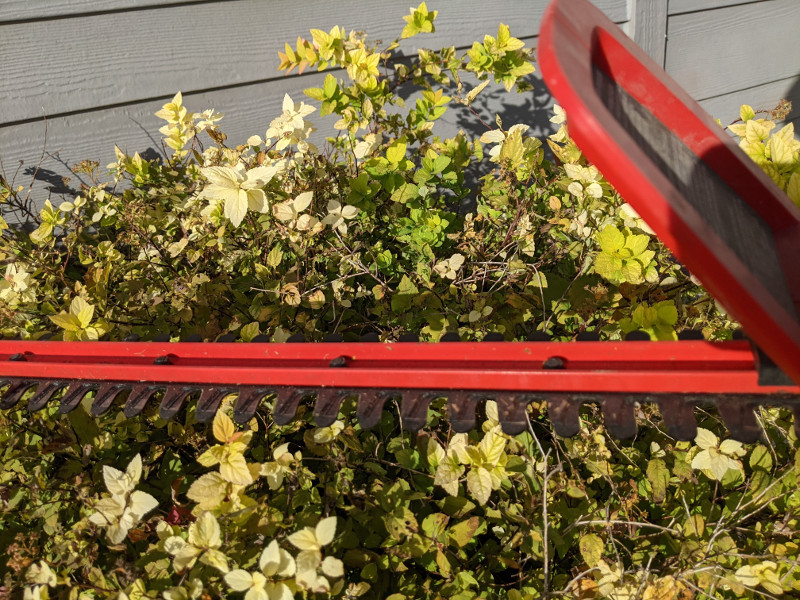
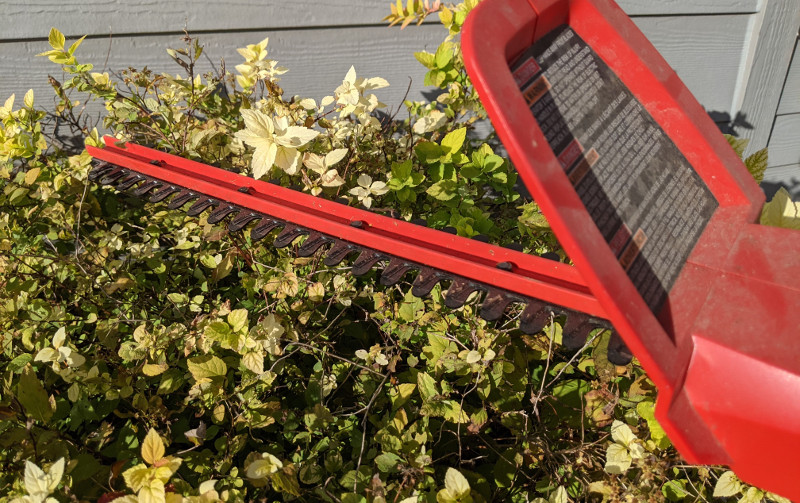
Using a hedge trimmer to shape a spirea. All photos in this article were taken by Chris Link in his own yard.
Before you prune, figure out whether your spirea blooms in spring or summer. The two groups set their flower buds at different times, so they need to be pruned at different times.
Japanese and Bumald spirea, including Anthony Waterer, Goldflame, Gold Mound, Little Princess and Double Play® Candy Corn®
What it looks like
Long, arching branches covered in small white flowers
Compact mounds with flat clusters of pink, red or white flowers; often colorful foliage
Blooms on
Old wood (last year’s growth)
New wood (this year’s growth)
When to prune
Right after flowering in late spring
Late winter or early spring, before new growth
Spirea Pruning Calendar
Season
Spring-Blooming Spirea
Summer-Blooming Spirea
Late winter to early spring
Remove only dead or broken branches
Main pruning: cut back, shape and rejuvenate
Late spring, right after bloom
Main pruning: thin old stems and shape
Not usually needed
Summer
Light trims only, before midsummer
Shear off faded flowers for a second flush
Late summer to fall
Do not prune; next year’s buds are forming
Avoid pruning until leaves drop, then wait for late winter if possible
Don’t cut spring-blooming spirea back in fall or winter. Bridal wreath, Vanhoutte and other spring bloomers set next year’s flower buds soon after they finish blooming. Pruning them in fall, winter or early spring removes those buds, and the shrub will not flower that spring.
When To Prune Spirea
Spirea shrubs are vigorous growers and benefit from pruning once or twice a year. Regular pruning promotes new growth and good health in the plant. For spring-blooming spirea, the main pruning comes right after the flowers fade. For summer-blooming spirea, the main pruning comes in late winter or early spring, with a light trim after the first flush of flowers. Spirea responds well to light pruning, so dead or damaged branches can be removed any time of year.
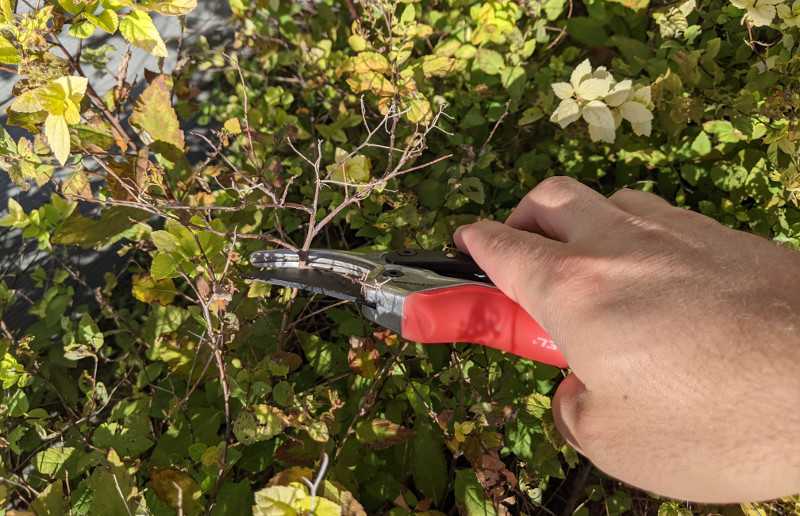
Removing dead branches with hand pruners. Dead or damaged wood can be cut out of any spirea at any time of year.
How To Prune Spring-Blooming Spirea
Spring-blooming spirea look best with their natural, arching shape. Thin them out at the base rather than shearing them into tight balls.
Wait until flowering ends. Prune in late spring, as soon as the flowers fade.
Remove dead and damaged wood. Cut out any dead, broken or crossing branches.
Thin the oldest stems. Cut up to one-third of the oldest, thickest stems all the way to the ground. This makes room for vigorous new shoots that will bloom next spring.
Shorten stray branches. Trim back any overly long branches to a healthy side shoot or bud to keep the shrub in bounds.
How To Prune Summer-Blooming Spirea
Summer-blooming spirea are forgiving and handle hard pruning well. They form neat mounds and can be sheared with hedge shears or a hedge trimmer.
Prune in late winter or early spring. Do the main pruning while the plant is dormant, before new leaves appear.
Remove dead wood. Remove any dead or damaged wood, as well as branches that cross each other. This will stimulate new growth in the spring.
Cut back to shape. Cut the whole shrub back by one-third to one-half to keep a compact shape. For a smaller plant, stems can be cut to within 8 to 12 inches of the ground. Each cut should be within ¼ of an inch of a bud.
Trim again after the first bloom. Shear off the faded flowers in summer to encourage a second round of blooms.
An electric hedge trimmer makes quick work of shaping compact, mounded spirea.
Deadheading Spirea
Deadheading is most useful on summer-blooming spirea. After the first flush of flowers, use clean shears to cut each stem tip back to the topmost leaf. This removes the spent blooms and encourages new flowering. On compact, mounded types, you can simply shear across the top of the plant with hedge shears. Deadheading spring-blooming spirea is optional, since they will not rebloom, but it can tidy the shrub.
How To Prune An Overgrown Spirea
An aged spirea that has become unsightly, woody or bare at the base can be renewed. This hardy plant will bounce back even better than before. Choose the method that matches your spirea:
Summer-blooming spirea: hard rejuvenation
In late winter or very early spring, before growth starts, cut all stems down to about 4 to 6 inches above the ground. The shrub will regrow quickly and still bloom that summer. This can be repeated every few years when the plant gets woody.
Spring-blooming spirea: gradual renewal
Right after flowering, remove one-third of the oldest stems at ground level. Repeat for the next two years until the whole shrub has been renewed. You can also cut the entire shrub to the ground in late winter, but you will give up that spring’s flowers.
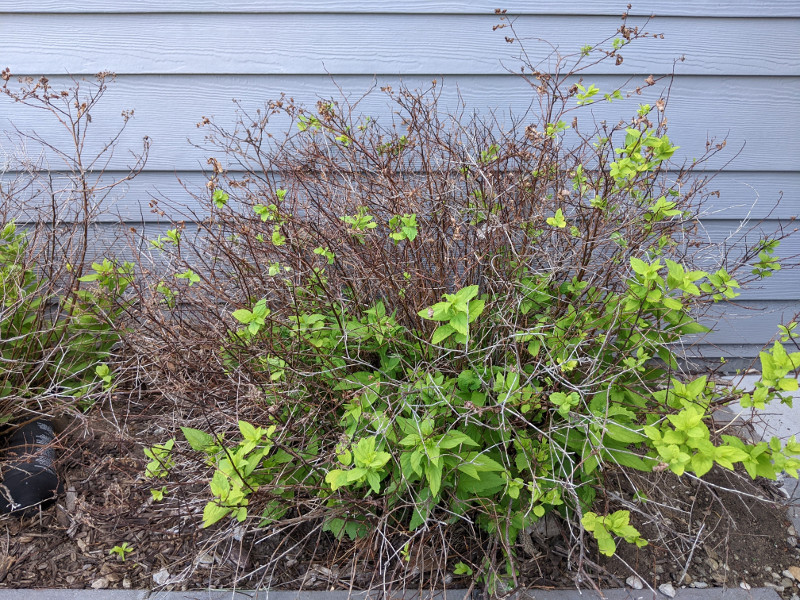
Before: An overgrown spirea shrub before pruning.After: The same spirea after pruning, with new growth appearing in the spring.
Why Prune Spirea?
Regular pruning keeps your spirea healthy and promotes new growth. Pruning can improve the airflow in between the branches, which helps to prevent fungal diseases. Removing dead branches and spent blooms allows more sunlight to reach the inner branches and branches closer to the ground.
Cutting your summer-blooming spirea will help to shape the plant into a nice tight mound, and deadheading spent blooms promotes reblooming through the season, creating a colorful, full-looking shrub. Thinning old stems on spring-blooming spirea keeps their graceful, arching form full of flowers.
Common Spirea Pruning Problems
Problem
Likely Cause
What To Do
No spring flowers
Spring-blooming spirea was pruned in fall, winter or early spring
Prune spring-blooming spirea right after they finish flowering. Prune summer-blooming spirea in late winter or early spring, before new growth starts.
How do I know if my spirea blooms in spring or summer?
Spring bloomers, like bridal wreath, have long arching branches covered in small white flowers in mid to late spring. Summer bloomers, like Anthony Waterer and Goldflame, are compact mounds with flat clusters of pink, red or white flowers in summer.
Can you cut spirea to the ground?
Yes. Summer-blooming spirea can be cut to 4 to 6 inches in late winter and will still bloom that summer. Spring-blooming spirea can also be cut to the ground, but you will lose that year’s flowers.
Can you prune spirea in the fall?
Avoid fall pruning on spring-blooming spirea, since it removes next year’s flower buds. Summer-blooming spirea can be cut back after the leaves drop, though late winter is the better time.
Should you deadhead spirea?
Deadheading summer-blooming spirea after the first flush often brings a second round of flowers. It is optional on spring-blooming types.
How far back should I cut spirea?
For yearly pruning of summer bloomers, cut back by one-third to one-half. For rejuvenation, cut to 4 to 6 inches. On spring bloomers, remove up to one-third of the oldest stems at the base each year.
When do you prune bridal wreath spirea?
Prune bridal wreath right after it finishes blooming in spring. Thin out old stems at the base rather than shearing to keep its arching shape.
Bottom Line
The right time to prune spirea depends on when it blooms. Prune spring bloomers like bridal wreath right after flowering, and prune summer bloomers like Anthony Waterer and Goldflame in late winter or early spring.
Deadhead summer bloomers for a second flush of flowers, remove dead wood any time, and rejuvenate overgrown shrubs every few years to keep them full and blooming.
Chris Link is the co-owner of Plant Addicts and helps gardeners find the right plants for their yards, homes, and growing conditions. Plant Addicts has helped millions of gardeners shop for plants and learn how to care for them.
Originally published October 19, 2021. Last updated November 2026.