Hostas are herbaceous perennials, meaning their leaves die back each fall while the roots survive the winter and regrow in spring. Known for having large waxy leaves that produce long stalks with blooms, this easy to care for plant will need to be cut back in the fall or early spring. To promote healthy growth in the spring, it is important to prepare the hostas for winter. As the weather turns colder, the leaves of the hostas begin to yellow, wilt and die back, and the soggy foliage can shelter slugs and other pests. So, trimming after the first hard freeze is good for the hostas.
The quick answer: Cut back hostas in late fall, after a hard frost, once the leaves have turned yellow or brown and collapsed. Cut the leaves and stalks down to an inch or two above the ground with clean, sharp pruners. Throw away any diseased leaves rather than composting them. If your hostas were healthy, you can also leave the foliage until early spring and remove it before new shoots emerge. Never cut back leaves that are still green.
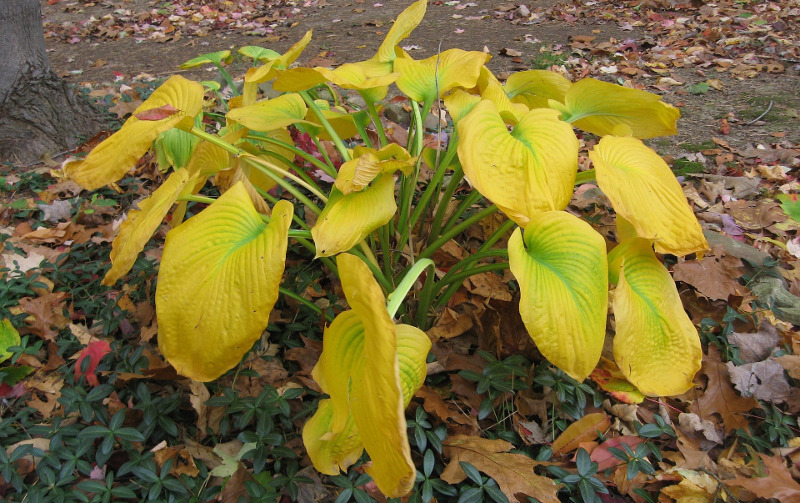
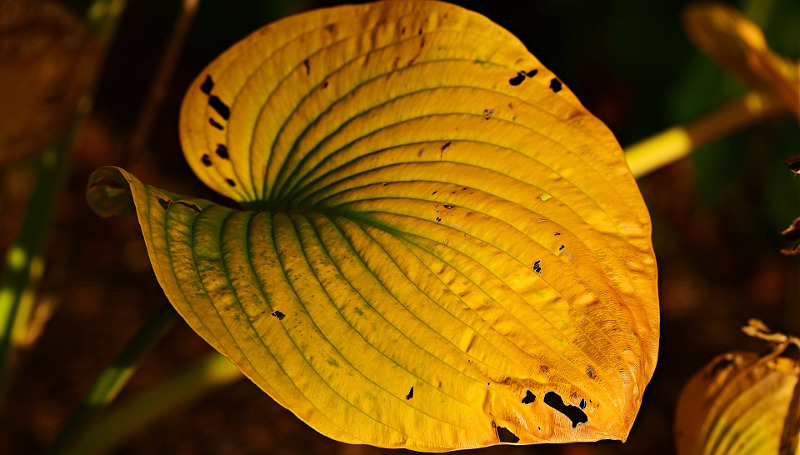
Hosta leaves turn yellow in fall as the plant moves energy back into its roots before going dormant.
As a general rule, hostas should be cut back in the late fall. Start with leaves that have wilted or turned brown. Healthy leaves can stay a bit longer to help the roots store needed energy. Once most of the plant has turned yellow or brown, or the leaves have collapsed after a frost, you will know it is time to cut it back. All of the leaves should be cut off following a hard frost. This will help to prevent slugs and rabbits from making your plant their cold weather home.
What The Leaves Look Like
What To Do
Still mostly green
Wait. Green leaves are still feeding the roots.
Turning yellow, with a few brown leaves
Remove only the brown or damaged leaves for now.
Mostly brown, limp or flattened by frost
Time to cut the whole plant back.
Yellowing leaves are a sign the hosta is getting ready for dormancy. Wait until they brown or collapse to cut the whole plant back.
Do You Cut Back Hostas In The Fall Or Spring?
Fall is the most common time to cut back hostas, and it is the best choice if your plants had slugs, leaf diseases or foliar nematodes. If your hostas were healthy, you can also leave the dead foliage over winter and clear it away in early spring. Summer trimming is for tidying only, never a full cutback.
Timing
Best If…
What To Do
Late fall (recommended)
You had slugs, leaf spots, foliar nematodes or other problems, or you want a tidy bed over winter
Cut all leaves and stalks to the ground after a hard frost. Throw away diseased foliage.
Early spring
Plants were healthy, slug pressure is low, and you prefer to leave cover for overwintering insects
Rake or pull away the old leaves before new shoots emerge.
Summer (spot pruning only)
Flowers have faded or leaves are torn, chewed or diseased
Remove spent flower stalks and damaged leaves. Leave the healthy foliage in place.
How To Cut Back Hostas
Cut back your hostas after a hard frost. The leaves wilt and turn brown after a hard frost. Decaying hosta leaves give slugs a moist place to shelter and lay eggs. Cutting the leaves off will help solve this problem.
Sanitize your tools. Before and after cutting hostas, sanitize your cutting tools with disinfecting wipes or rubbing alcohol. Clean them again between plants if any hostas showed signs of disease.
Cut the plant down to the ground. The leaves and stems of hostas can be easily cut with garden shears or a sharp pair of scissors. Simply lift the leaves and cut the plant down to the ground. You may want to leave an inch or two of plant to mark where it is in the garden.
Clean up the debris. Rake up the cut leaves and any fallen tree leaves around the crown. Compost healthy foliage, but throw away any leaves with spots, streaks or other signs of disease.
Mulch to insulate the hostas. Put down a one inch layer of mulch to insulate your plant. This helps prevent too much freezing and thawing, which can affect the dormancy of the hostas. In the spring, pull mulch away from the crown to prevent too much moisture and rotting.
Best tools for cutting back hostas
Hand pruners or garden scissors: Best for a few plants or careful cuts close to the crown.
Hedge shears: Faster for large plants or long rows of hostas. Gather the leaves in one hand and cut with the other.
Gloved hands: In early spring, dead leaves often pull away easily without tools.
“If I don’t get to my hostas before the leaves melt, I just pull the soggy mess away by hand. They release easily from the crown.”
— Chris Link, co-owner of Plant Addicts
Why clean tools matter: Tiny foliar nematodes, a kind of microscopic worm, can live inside hosta leaves and spread to other plants. Hosta Virus X (HVX) also spreads through sap on pruners and knives. Cleaning your tools between plants helps keep both problems from moving through your garden. Learn more about hosta diseases.
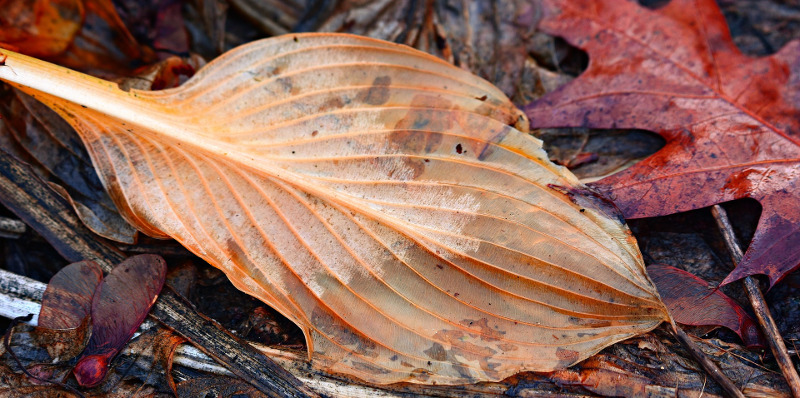
Brown, collapsed leaves are ready to be cut back.
Why Do You Cut Back Hostas?
Cutting back hostas is not just to prepare them for the dormant winter. Getting rid of dead leaves prevents slugs and insects from hiding out in the garden during the cold. Rabbits, and even deer, will eat the plant, making it look unappealing. Cut back the plant after a hard frost. If you don’t, you will have a mound of soggy brown leaves.
Fewer slugs: Removing dead foliage takes away the moist cover slugs use over winter. See our guide to slugs on hostas.
Less disease: Leaf diseases and foliar nematodes can survive the winter on old leaves.
Fewer critters: Clearing soggy leaves from the crown discourages rabbits and voles.
A cleaner start in spring: New shoots come up without having to push through matted, rotting leaves.
Cutting Back Hosta Flower Stalks
Hostas send up tall flower stalks, called scapes, in summer. Once the flowers fade, cut the stalks off at the base. This keeps the plant looking tidy and helps it put energy into its leaves and roots instead of seeds. You can also trim off torn, chewed or diseased leaves during summer, but leave the healthy foliage alone.
What To Do With Hostas In The Fall
Cutting back is the main fall task, but a few other jobs will help your hostas come back strong next year.
Divide or move crowded clumps early. Late summer to early fall gives divisions time to root before winter. See dividing and transplanting hostas.
Stop fertilizing. Skip fertilizer after midsummer so the plant can slow down for winter.
Water during dry spells. Keep the soil lightly moist in a dry fall until the ground freezes.
Rake tree leaves off the crowns. Wet, matted leaves can encourage rot, slugs and voles.
Cut back after a hard frost. Remove the collapsed leaves and stalks and clean your tools.
Mulch new plantings. A light layer of mulch protects newly planted or divided hostas through their first winter.
Protect potted hostas. Move containers to an unheated garage or shed, or sink the pots into the ground. See growing hostas in pots.
Do Hostas Die In Winter?
No. Hostas look dead in winter, but they are only dormant. The leaves die back after frost, while the crown and roots stay alive underground and send up new shoots in spring.
In fact, hostas need a period of winter cold to grow well. Without enough chilling, they come back weaker, which is one reason hostas often struggle in warm southern climates. A cold, dormant winter is a normal and healthy part of the hosta life cycle. For more, see hosta winter care.
Spring Cleanup For Hostas
If you left your hostas standing over winter, clean them up in early spring before the new shoots, sometimes called pips, start to emerge. The old leaves usually pull away easily by hand or with a gentle rake. Work carefully around the crown so you do not snap off new shoots.
Remove any old leaves and stalks left from last year.
Pull winter mulch away from the crown as shoots appear.
Start slug control early, before the leaves unfurl.
Frequently Asked Questions About Cutting Back Hostas
When should you cut back hostas?
Cut back hostas in late fall, after a hard frost, when the leaves have turned yellow or brown and collapsed. If the plants were healthy, you can wait until early spring and remove the old leaves before new shoots emerge.
Should you cut back hostas in the fall?
Yes, for most gardens. Fall cleanup removes cover for slugs, reduces leaf diseases and foliar nematodes, and keeps soggy leaves from matting over the crown. It is especially important if your hostas had pest or disease problems this year.
Do hostas die in winter?
No. The leaves die back, but the roots and crown stay alive underground and regrow in spring. Hostas actually need a cold winter dormancy to grow well the following year.
What should I do with hostas in the fall?
Divide crowded clumps in late summer or early fall, stop fertilizing, water during dry spells, rake leaves off the crowns, cut the plants back after a hard frost, and mulch new plantings. Move potted hostas to a sheltered, unheated spot.
Can I cut back hostas while the leaves are still green?
It is best to wait. Green leaves are still sending energy to the roots for next year’s growth. Only remove leaves that are yellow, brown or damaged.
How far should I cut back hostas?
Cut the leaves and stalks down to the ground, or leave an inch or two of stem to mark where the plant is growing.
What happens if I don’t cut back my hostas?
The leaves will collapse into a soggy mat over winter. Healthy plants will still come back, but the old leaves can shelter slugs and disease. Remove them in early spring before new growth starts.
Can I compost hosta leaves?
Yes, if the leaves were healthy. Throw away leaves with spots, streaks, mottling or other signs of disease so problems do not spread back into the garden.
Bottom Line
Cut back hostas in late fall after a hard frost, once the leaves have turned yellow or brown. Use clean tools, cut the plant down to the ground, and throw away any diseased foliage. Healthy hostas can also be cleaned up in early spring instead.
Hostas do not die in winter. They go dormant, and a cold winter rest helps them return with full, healthy leaves in spring.
Sources
Clemson Cooperative Extension Home & Garden Information Center: Hosta
University of Illinois Extension: Take Care of Hostas Going Into Winter
Chris Link is the co-owner of Plant Addicts and helps gardeners find the right plants for their yards, homes, and growing conditions. Plant Addicts has helped millions of gardeners shop for plants and learn how to care for them.
Originally published January 4, 2021. Last updated November 2026.