
Pruning Shrubs: A Complete Guide for Healthier, Better-Shaped Plants
Pruning shrubs can feel intimidating, but it does not have to be complicated. The goal is simple: remove dead, damaged, crowded, or unwanted growth so your shrub can stay healthy, attractive, and full of new growth. This guide explains when to prune shrubs, what to cut, what tools to use, and how to find pruning instructions for specific plants.
Quick Answer: When Should You Prune Shrubs?
As a general rule, spring-blooming shrubs should be pruned shortly after they finish flowering, while many summer-blooming shrubs can be pruned in late winter or early spring before new growth begins. Dead, diseased, broken, or storm-damaged branches can usually be removed whenever you notice them.
The most common pruning mistake is pruning at the wrong time and accidentally cutting off flower buds. Many spring-flowering shrubs form their flower buds the year before they bloom. If those shrubs are pruned too early in spring, you may remove the buds before they ever open.
Before making major cuts, identify what kind of shrub you have and whether it blooms on old wood or new wood. If you are not sure, watch when it blooms for one season, take notes, and then use the specific pruning guide directory at the bottom of this page.
Why Pruning Shrubs Matters
Healthier Growth
Removing dead, diseased, or damaged branches helps the plant direct energy into healthy stems, leaves, flowers, and roots.
Better Air & Light
Thinning crowded branches lets sunlight and air reach the center of the shrub, which can reduce disease pressure and improve growth.
More Reliable Blooms
Pruning at the right time can help flowering shrubs bloom better while avoiding accidental removal of flower buds.
Cleaner Shape
Light shaping keeps shrubs from outgrowing walkways, windows, foundations, fences, and other plants in the landscape.
Types of Shrub Pruning
Important Pruning Warning
Do not hard prune every shrub the same way. Some shrubs can handle heavy rejuvenation pruning, while others may not recover well if cut back too far. Evergreens, arborvitae, juniper, boxwood, camellia, azalea, rhododendron, hydrangea, and other shrubs often need more specific pruning instructions.
Tools You Need for Pruning Shrubs
Sharp, clean tools make pruning easier and help create cleaner cuts. For most homeowners, a good pair of bypass pruners is the most important tool. Bypass pruners work like scissors and make cleaner cuts on living stems than anvil pruners, which can crush softer growth.
Our Favorite Pruning Supplies
Having the right pruners, gloves, and hand tools ready before you start makes the job easier and helps you make cleaner cuts.
What to Prune First
Before shaping a shrub, start with the branches that clearly need to be removed. This keeps you from over-pruning and helps you see the plant’s natural form before making cosmetic cuts.
Remove dead, diseased, or broken branches
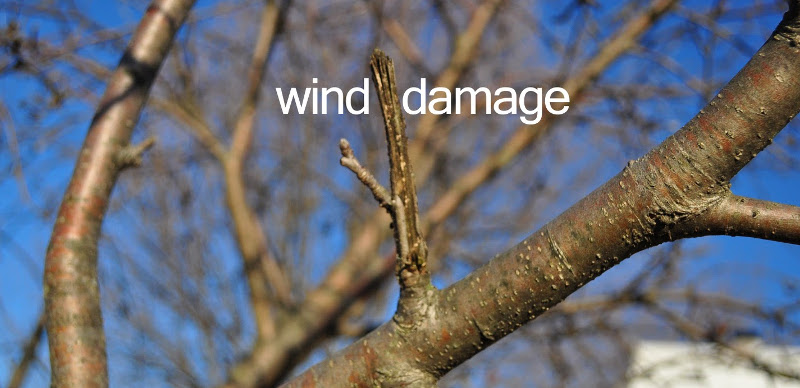
Cut out branches that are dead, brittle, brown all the way through, diseased, split, cracked, or storm-damaged. These branches do not help the plant and can make the shrub look messy.
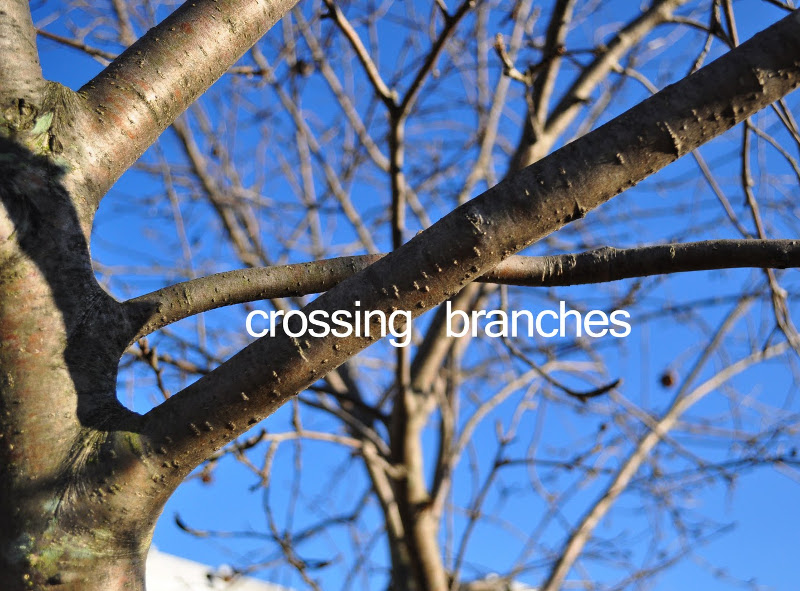
Cut out crossing or rubbing branches
Branches that grow across the center of the shrub or rub against other branches can cause wounds and crowd the plant. Remove the weaker, damaged, or poorly placed branch.
Open up the center
Thinning a few branches from the inside of the shrub can improve air circulation and allow more sunlight to reach interior growth. Avoid removing too much at once.
Shape lightly last
After damaged and crowded growth is removed, step back and look at the shrub’s shape. Make light cuts to even out the plant, reduce size, or keep branches away from walkways, siding, windows, and nearby plants.
Examples of Branches to Remove
Look for branches that are crossing, rubbing, cracked, broken, wind-damaged, diseased, dead, or growing inward toward the center of the shrub.
Where to Make Pruning Cuts
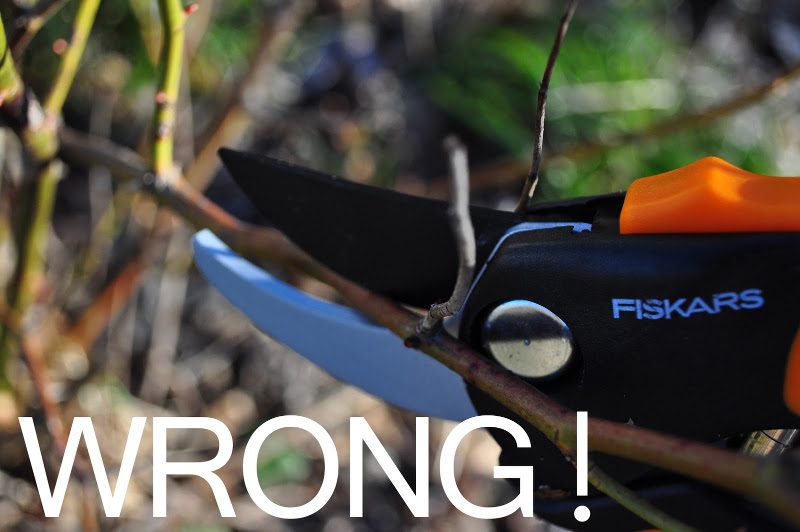
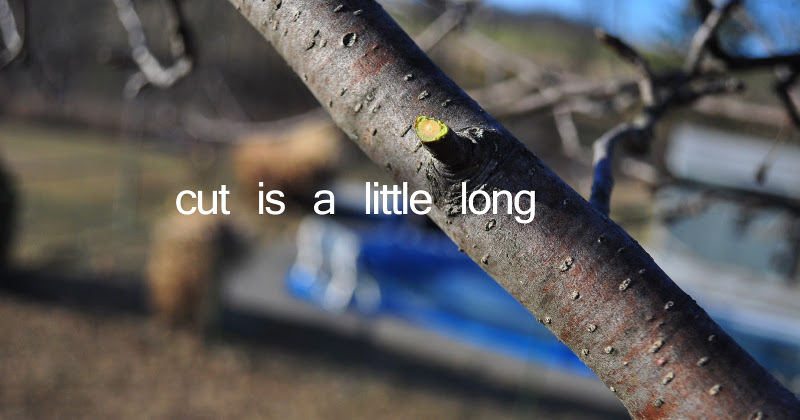
When shortening a branch, make your cut just above a healthy outward-facing bud. This encourages new growth to grow away from the center of the shrub instead of back into the plant. A good cut is close enough to the bud that the leftover stub will not die back, but not so close that the bud is damaged.
When removing an entire branch, cut it back to the main stem, trunk, or a larger branch. Avoid leaving long stubs, and avoid cutting too close into the trunk or main branch.
How Much Can You Prune Off a Shrub?
For routine pruning, avoid removing too much of the shrub at one time. A safe rule for many shrubs is to remove no more than about one-third of the plant during a single pruning session. Light annual pruning is usually better than waiting several years and then making extreme cuts.
Some shrubs can be rejuvenated by cutting them back hard, but this should only be done with plants known to respond well to that type of pruning. When in doubt, prune lightly and use a plant-specific guide.
When to Prune Shrubs by Bloom Time
Not All Hydrangeas Are Pruned the Same Way
Hydrangeas are one of the biggest sources of pruning confusion because different types bloom on different wood. Bigleaf, oakleaf, smooth, panicle, and mountain hydrangeas may need different pruning timing. Use our hydrangea pruning guide before making major cuts.
Common Shrub Pruning Mistakes
Pruning at the Wrong Time
This is the easiest way to remove flower buds before they bloom. Know whether your shrub blooms in spring or summer before pruning.
Using Dull Tools
Dull tools can crush stems and leave ragged cuts. Sharp bypass pruners make cleaner cuts and are easier to use.
Only Shearing the Outside
Repeated shearing can create a dense outer shell with bare, unhealthy growth inside. Thin selectively when needed.
Cutting Evergreens Too Far Back
Some evergreens do not regrow well from old wood. Avoid cutting into bare interior branches unless the plant is known to recover.
What About Suckers and Water Sprouts?
Suckers are fast-growing shoots that often appear from the base of a shrub or tree. Water sprouts are upright, vigorous shoots that often grow from branches. These growths can drain energy from the plant or make it look messy, especially on grafted plants, trees, roses, and some woody shrubs.
Remove suckers as close to the base as possible. If you are dealing with a plant that spreads naturally by shoots, make sure you know whether the growth is unwanted before removing it.
Basic Shrub Pruning Checklist
- Identify the shrub before pruning.
- Find out whether it blooms on old wood, new wood, or both.
- Use sharp, clean pruning tools.
- Remove dead, damaged, diseased, crossing, or rubbing branches first.
- Cut just above an outward-facing bud when shortening a branch.
- Thin crowded branches to improve air circulation.
- Shape lightly after structural pruning is complete.
- Avoid removing too much of the shrub at one time.
Pruning Shrubs FAQ
Can I prune shrubs in the fall?
Light removal of dead, damaged, or diseased branches is usually fine, but heavy fall pruning is often best avoided. Pruning can encourage tender new growth that may be damaged by cold weather. For many shrubs, late winter, early spring, or right after flowering is a better time.
What happens if I prune a spring-blooming shrub too early?
You may remove flower buds before they bloom. Shrubs like lilac, forsythia, azalea, and some viburnums generally bloom on growth formed the previous year, so pruning before flowering can reduce or eliminate blooms for that season.
Should I seal pruning cuts?
In most cases, shrubs do not need pruning sealant. Clean cuts made with sharp tools are usually best left to heal naturally. The exception would be if a specific plant disease or local recommendation calls for special treatment.
Can pruning help a shrub bloom more?
Yes, pruning can help some shrubs bloom better by removing old wood, encouraging fresh growth, and improving light and airflow. Timing matters. Pruning at the wrong time can remove flower buds and reduce blooms.
Find Pruning Instructions for Your Specific Shrub
Different shrubs need to be pruned at different times of the year. Some shrubs bloom on old wood, some bloom on new wood, and some only need light shaping or removal of dead branches. Use the pruning guides below to find specific instructions for the plants in your yard.
Popular Shrub Pruning Guides
All Shrub Pruning Guides
Browse our full list of pruning guides by plant name:
Need the Right Tools for Pruning?
Sharp, clean pruning tools make better cuts and help reduce damage to your shrubs. If you are getting ready to prune, browse our garden tools for pruners, hand tools, and other helpful supplies.
Need the Right Tools for Pruning?
Sharp, clean pruning tools make better cuts and help reduce damage to your shrubs. If you are getting ready to prune, browse our garden tools for pruners, hand tools, and other helpful supplies.
Pruning Shrubs FAQ
Can I prune shrubs in the fall?
Light removal of dead, damaged, or diseased branches is usually fine, but heavy fall pruning is often best avoided. Pruning can encourage tender new growth that may be damaged by cold weather. For many shrubs, late winter, early spring, or right after flowering is a better time.
What happens if I prune a spring-blooming shrub too early?
You may remove flower buds before they bloom. Shrubs like lilac, forsythia, azalea, and some viburnums generally bloom on growth formed the previous year, so pruning before flowering can reduce or eliminate blooms for that season.
Should I seal pruning cuts?
In most cases, shrubs do not need pruning sealant. Clean cuts made with sharp tools are usually best left to heal naturally. The exception would be if a specific plant disease or local recommendation calls for special treatment.
Can pruning help a shrub bloom more?
Yes, pruning can help some shrubs bloom better by removing old wood, encouraging fresh growth, and improving light and airflow. Timing matters. Pruning at the wrong time can remove flower buds and reduce blooms.
Shop Shrubs & Plant Care Supplies
Whether you are caring for established shrubs or planting something new, Plant Addicts has helpful resources and products for your landscape. Browse our shrubs for sale, visit our plant care guides, or shop garden tools for pruning supplies and other helpful gardening accessories.
Pruning Questions?
- Shrubs For Sale
- Shrub Care
- Tree Care
- Planting Trees
- Planting Perennials & Shrubs In Fall
- What Are Bare Root Plants?
- Watering Shrubs & Trees
- Fertilizing Shrubs & Trees
- Pruning Shrubs
- Growing Shrubs In Pots
- Growing Trees In Pots
- Caring For Outdoor Plants In Winter
- How To Do A Scratch Test
- Trees & Shrubs Aren't Blooming
-

 |
Author Chris Link - Published 10-26-2021 |