
Pine Trees 1 to 26 of 26 total








Pine Trees 1 to 26 of 26 total
Chat/Email Support
Mon-Thur, 7 AM - 6 PM CST
Fri, 7 AM - 5 PM CST
Sat-Sun, 9 AM - 3 PM CST
Chat Us Email Usinfo@plantaddicts.com
Phone Support
Mon-Fri, 8 AM to 5 PM CST

Zones 3-9

Full Sun

Specimen or Focal Point

Hedges & Privacy
Pine, Christmas Trees
North America, Europe, Asia, Northern Hemisphere
Trees, Shrubs
Evergreen
3 - 9
Yellow (male cones), Red, Brown (female cones)
Spring
Upright, Columnar, Spreading
Birds, Squirrels
Drought, Heat, Wind, Poor Soil
Deer, Pests, Diseases, Salt
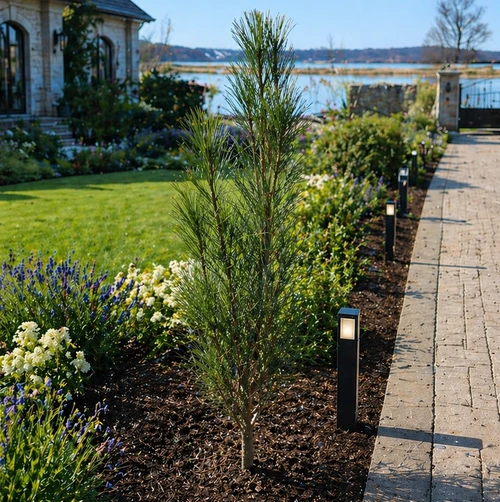
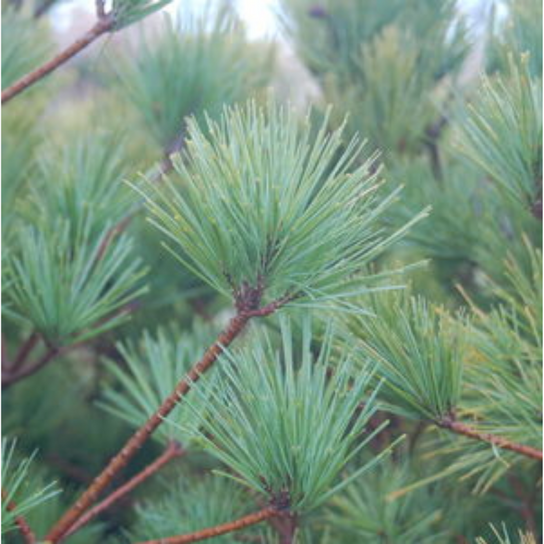
Pine trees are evergreen conifers known for their needle-like foliage and distinctive cones. They adapt to various soil types and climates, making them suitable for most landscapes. Their year-round greenery provides continuous visual interest, and their natural shape offers a classic visual appeal. Additionally, pine trees can serve as effective windbreaks and provide habitats for wildlife.
In garden settings, pine trees can be used as focal points or to create natural privacy screens. Their dense foliage offers shade, benefiting understory plants that prefer cooler conditions. The fallen pine needles can be used as mulch, helping to retain soil moisture and suppress weeds. Moreover, certain pine species can be cultivated for their ornamental bark or unique growth habits, adding diverse textures and forms to the garden.
| Type | Scientific Name | Native | Foliage | Habit | Zones | Features |
|---|---|---|---|---|---|---|
| Eastern White Pine | Pinus strobus | SE Canada & E USA | Soft bluish-green needles, 2–5 in | Pyramidal → broad-oval | 3 – 8 | Rapid growth; wildlife food; tolerates deer & rabbit |
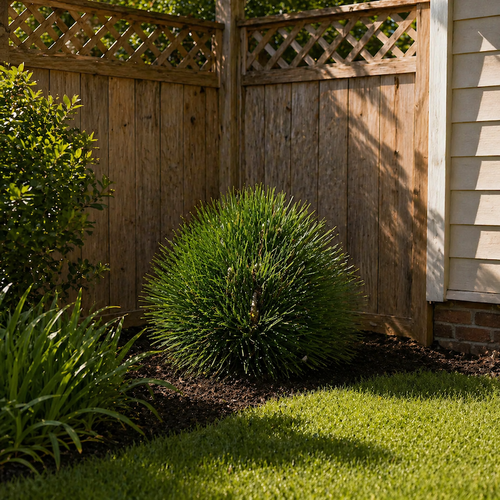
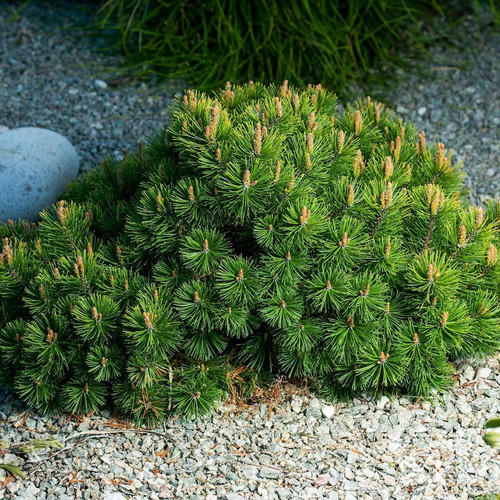
| Mugo Pine | Pinus mugo | Central & S. Europe mountains | Bright green needles, 1–3 in | Bushy shrub/small tree, wider than tall | 2 – 7 | Many dwarf forms; deer & pollution tolerant; winter interest |
| Loblolly Pine | Pinus taeda | Southeastern USA | Yellow-green needles, 5–10 in | Fast, straight, oval crown | 6 – 9 | Rapid growth; thrives in moist acid soils |
| Virginia Pine | Pinus virginiana | Appalachians & Mid-Atlantic USA | Twisted yellow-green needles, 1.5–3 in | Scraggly, broad pyramid → flat-topped | 4 – 8 | Grows on poor dry soils; seeds feed birds; deer resistant |
| Limber Pine | Pinus flexilis | Rocky Mts. USA/Canada | Dark blue-green flexible needles, 2–3.5 in | Pyramidal → broad-rounded | 4 – 7 | Drought & alkaline tolerant; flexible branches; wildlife mast |
| Longleaf Pine | Pinus palustris | SE Coastal Plain USA | Bright green needles, 8–14 in | Grows thicker then tall open crown | 7 – 10 | Fire-adapted; drought & salt tolerant; Alabama state tree |
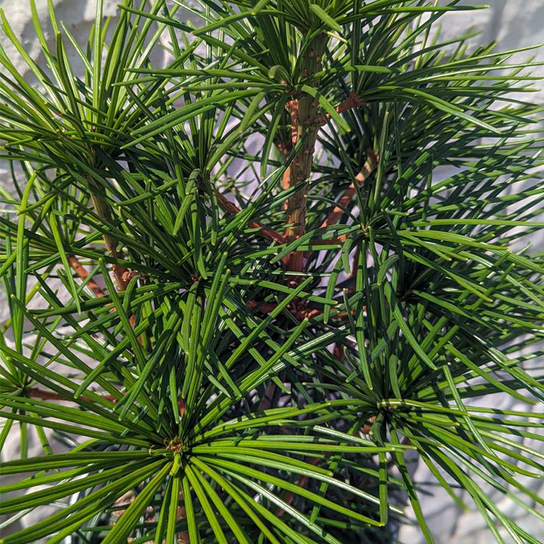
| Umbrella Pine | Sciadopitys verticillata | Japan | Glossy dark-green flat “needles” 3–5 in in umbrella whorls | Slow, dense conical | 5 – 8 | Unique whorled foliage; showy bark; no serious pests |
Plant pine trees in well-draining soil with a slightly acidic to neutral pH. They require full sun exposure for optimal growth. Water young trees regularly to establish roots, but once established, they are drought-tolerant and need minimal watering. Fertilize in early spring with a balanced, slow-release fertilizer to promote healthy development.
Prune pine trees minimally, removing only dead or damaged branches to maintain their natural shape. In winter, mulch around the root zone to protect roots from extreme cold. When growing in containers, select dwarf varieties and ensure the pot has adequate drainage. Regularly check soil moisture, as container-grown pines may dry out faster than those in the ground.
Learn More About Pine Tree Care
Give pine trees partners that also relish full sun, slightly acidic to neutral soil, and good drainage. A dwarf false cypress mirrors the evergreen texture yet offers a contrasting silhouette and gold or blue foliage. Broad-leafed rhododendron slides in beneath the branches to supply spring flowers and year-round heft without minding the acidic mulch of fallen needles. Beneath that duo, shade-tolerant hellebores hide winter’s bare ground with late-winter blooms, then drought-tough coneflowers take over in midsummer, their upright daisies punching color and feeding pollinators long after the hellebore fades.


