
Black-Eyed Susans 1 to 26 of 26 total




Black-Eyed Susans 1 to 26 of 26 total
Chat/Email Support
Mon-Thur, 7 AM - 6 PM CST
Fri, 7 AM - 5 PM CST
Sat-Sun, 9 AM - 3 PM CST
Chat Us Email Usinfo@plantaddicts.com
Phone Support
Mon-Fri, 8 AM to 5 PM CST

Zones 3-10

Partial Sun to Full Sun

Container Thriller

Long Blooming

Gloriosa Daisy, Yellow Oxeye
North America
Perennials
Deciduous, Herbaceous
3 - 9
Yellow, Orange, Red, Bicolor, Golden/Brown, White, Purple/Darker hues
Summer to fall
upright, clumping, bushy
Pollinators, Birds, Insects, Small Mammals
Drought, Poor Soil, Partial Shade, Heat, Cold, Humidity
Deer and Rabbits, Pests, Fungal Diseases, Salt, Heat, Wind
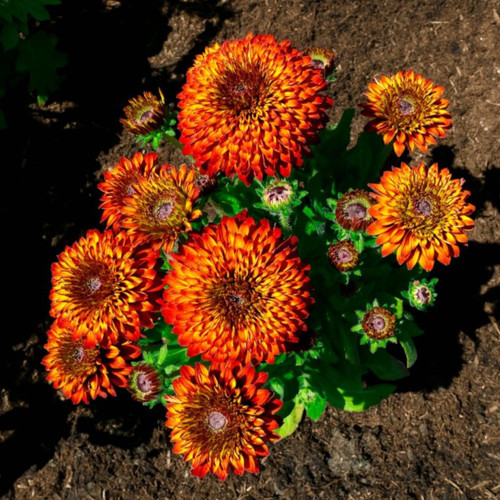
Black-eyed Susan (Rudbeckia) produces long-lasting golden blooms that appear from mid-summer through the first frost, lending a bright note to perennial beds. The fuzzy foliage discourages deer, while the seed heads support local bird populations in fall and winter. This easy-care native tolerates a range of soil types and returns each season, sometimes spreading by self-seeding. Its cheerful daisy-like blooms complement a warm color palette and draws bees and butterflies.
Plant groups of black-eyed Susans in sunny borders or naturalized meadows for warm seasonal color. Combine them with ornamental grasses and other mid- to late-season perennials for an appealing tapestry of heights and textures. They also work well in pollinator gardens, where their nectar and seed heads benefit insects and songbirds. In containers or near a patio, these hardy blooms introduce an inviting touch of summer to gathering areas.
| Type | Scientific Name | Native | Flower | Habit / Form | Uses | Features |
|---|---|---|---|---|---|---|
| Black-Eyed Susan, Gloriosa Daisy | Rudbeckia hirta | Eastern & Central U.S. | Golden-yellow to orange rays, dark brown dome, ≈ 3 in. | Fast-growing biennial or short-lived perennial; upright, freely self-seeding | Slopes, borders, pollinator & native gardens, naturalizing | Tolerates salt, deer, drought & clay; attracts butterflies; showy cut flower |
| Orange Coneflower | Rudbeckia fulgida | Southeastern U.S. | Yellow-orange rays, brown-purple center, ≈ 2½ in. | Rhizomatous, clump-forming; slowly spreading | Mass plantings, meadows, rain & cottage gardens, borders | Long season, birds eat seeds, deer & drought tolerant, handles dry or clay soils |
| Brown-Eyed / Three-Leaved Coneflower | Rudbeckia triloba | Central-Eastern U.S. | 6-12 yellow rays, brown-purple disk, ≈ 1½ in. | Biennial or short-lived perennial; densely branched, airy | Wildflower meadows, naturalized areas, borders, cottage gardens | Profuse bloom, readily self-seeds, good cut flower, deer & drought tolerant |
| Sweet Coneflower | Rudbeckia subtomentosa | Central U.S. | Yellow rays, brown-purple disk, fragrant, ≈ 3 in. | Upright, non-rhizomatous clump; may need staking | Prairies, rain & pollinator gardens, back borders, naturalized drifts | Anise-scented blooms, excellent cuts, deer/drought/clay tolerant, long display |
Plant Black-Eyed Susans in full sun and well-draining soil. They tolerate various soil types, including clay and sandy soils. Water young plants regularly to establish a strong root system; once established, they are drought-tolerant. Fertilization is generally unnecessary; however, applying compost as mulch can enhance soil fertility.
Deadhead spent flowers during the blooming season to encourage continuous flowering and prevent unwanted self-seeding. In late fall, cut back dead plant material to ground level to prepare for winter dormancy. Black-Eyed Susans can be grown in containers with good drainage; use a well-draining potting mix and water when the top two inches of soil are dry.
Learn More About Black-Eyed Susan Care

Give companions a position with six or more hours of sun, moist yet free-draining soil, and low fertility so black-eyed Susans keep their tidy clumps. Red twig dogwood brings winter bark color and a reliable green backdrop, while Russian sage cools the scene with airy blue wands that bloom alongside the daisylike discs. Agastache extends the nectar buffet into late summer, and a drift of yarrow supplies texture and seed heads that echo Rudbeckia’s own autumn silhouettes.


